Math Challenge · Grade 4
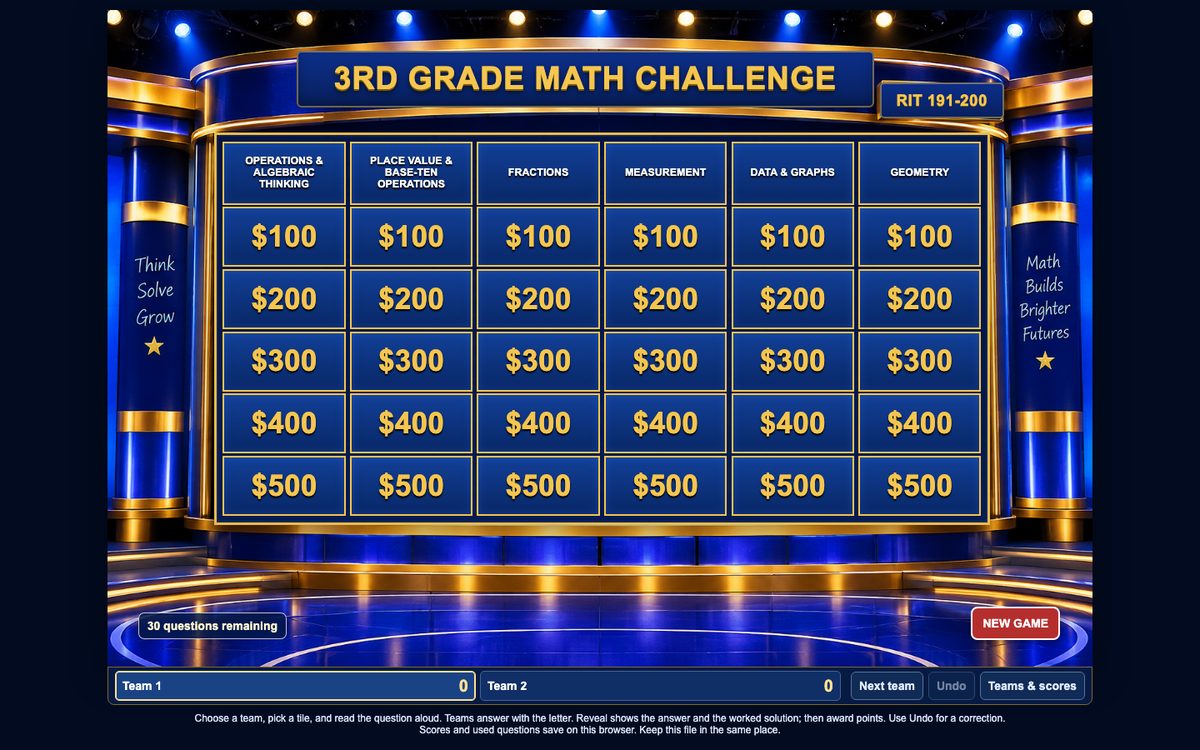
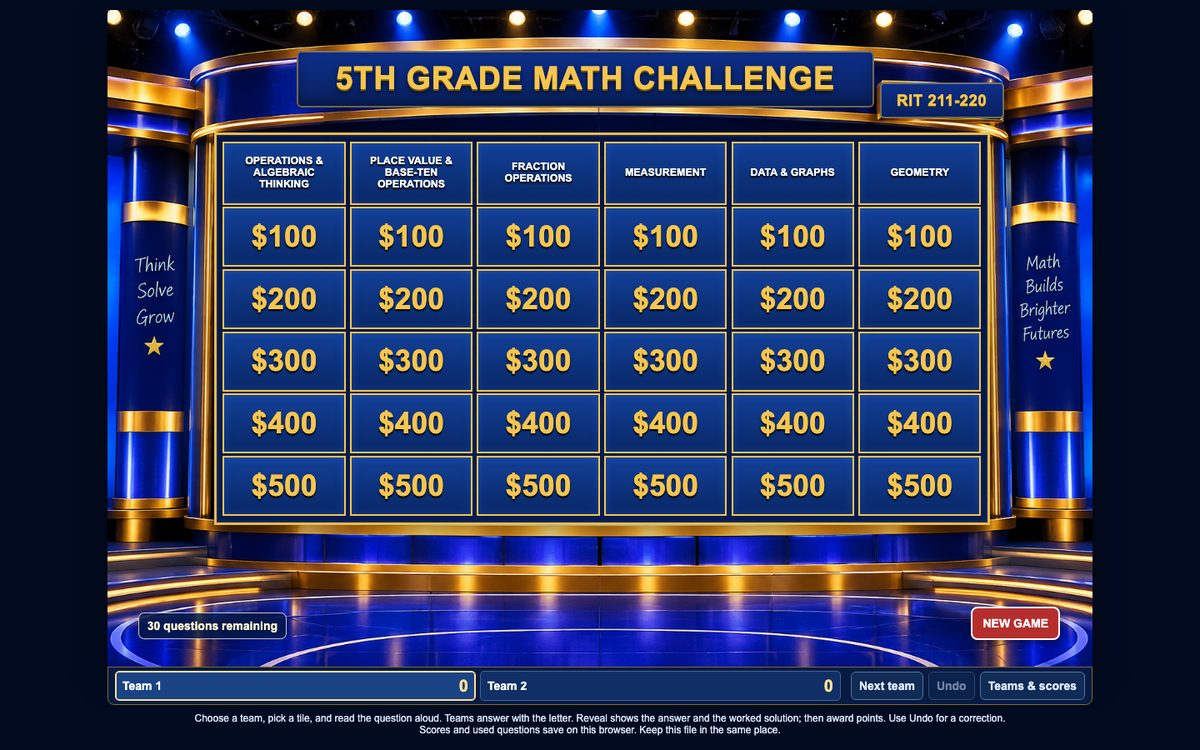
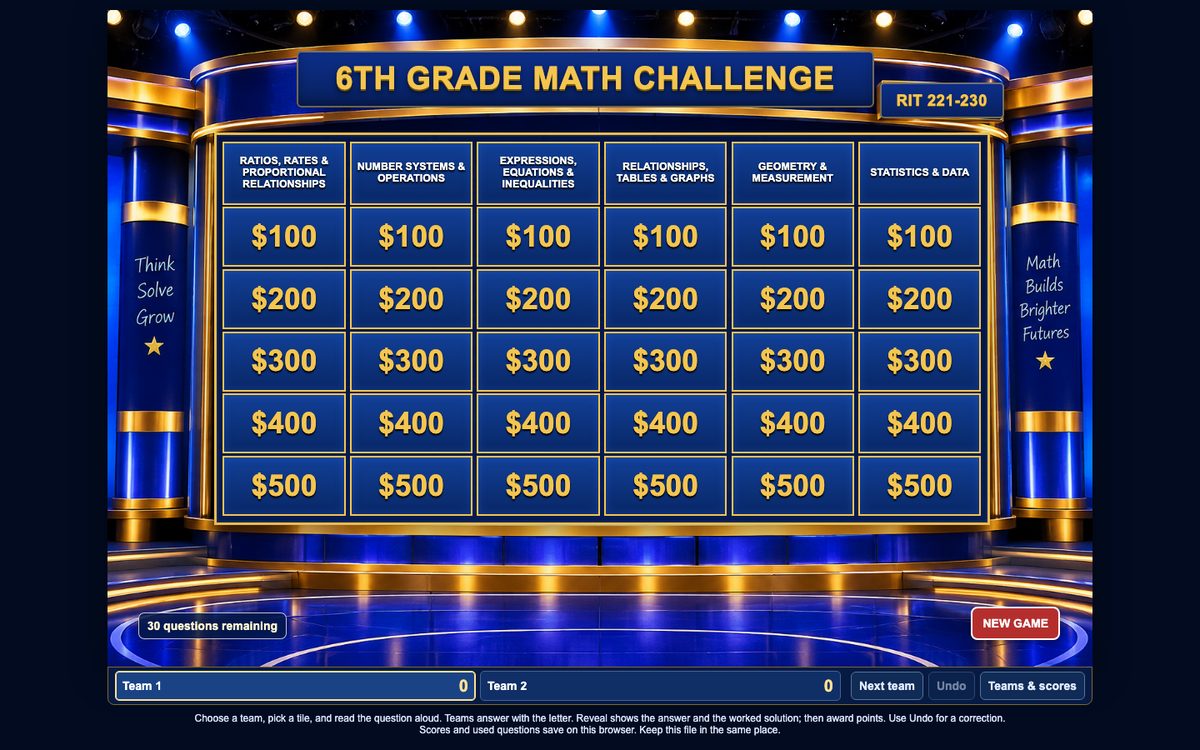
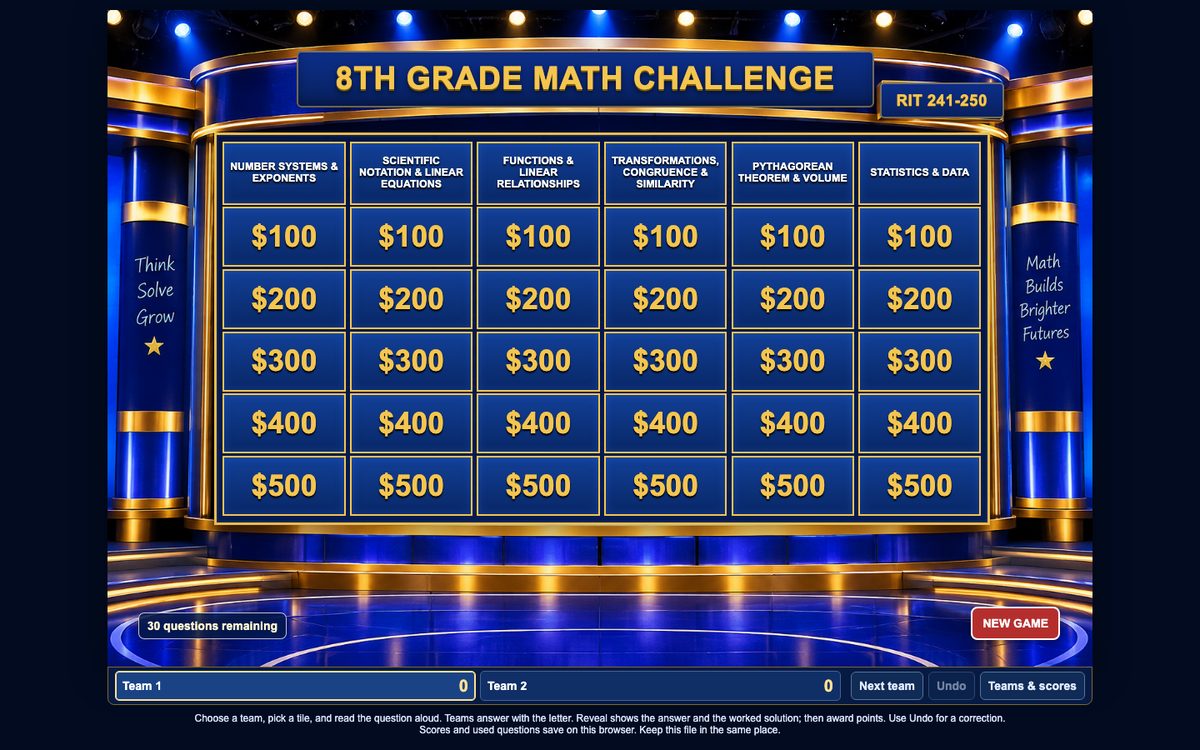
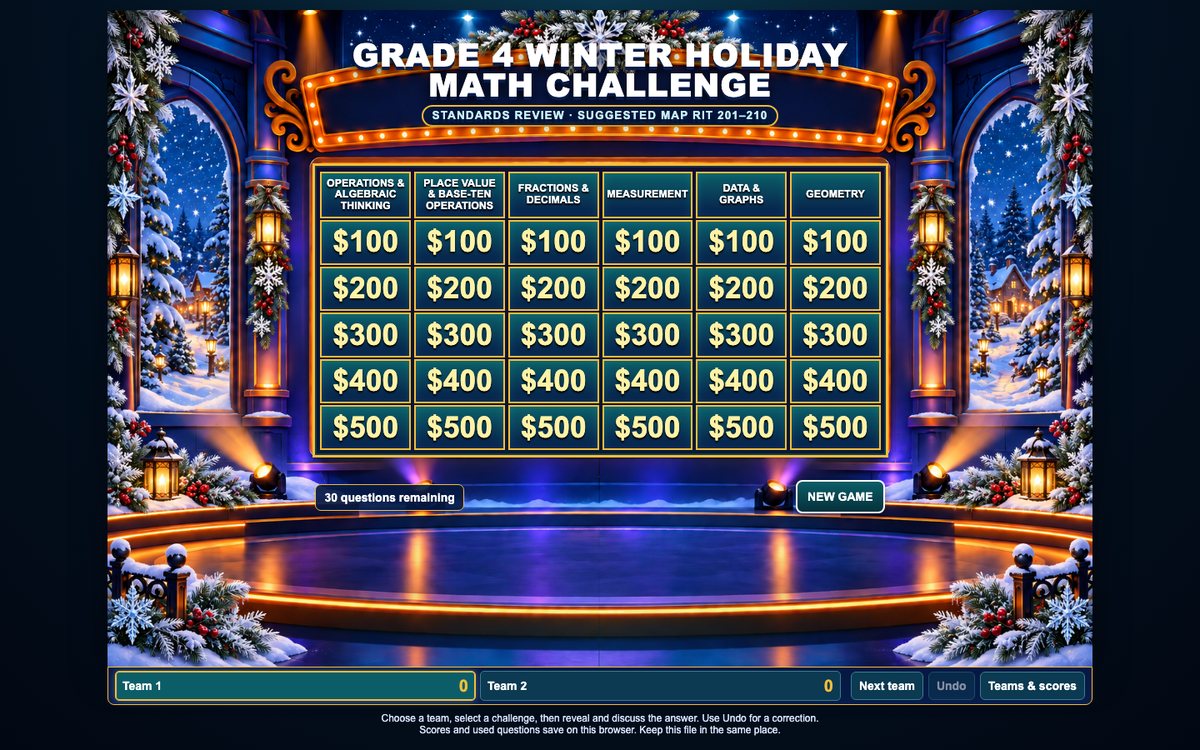
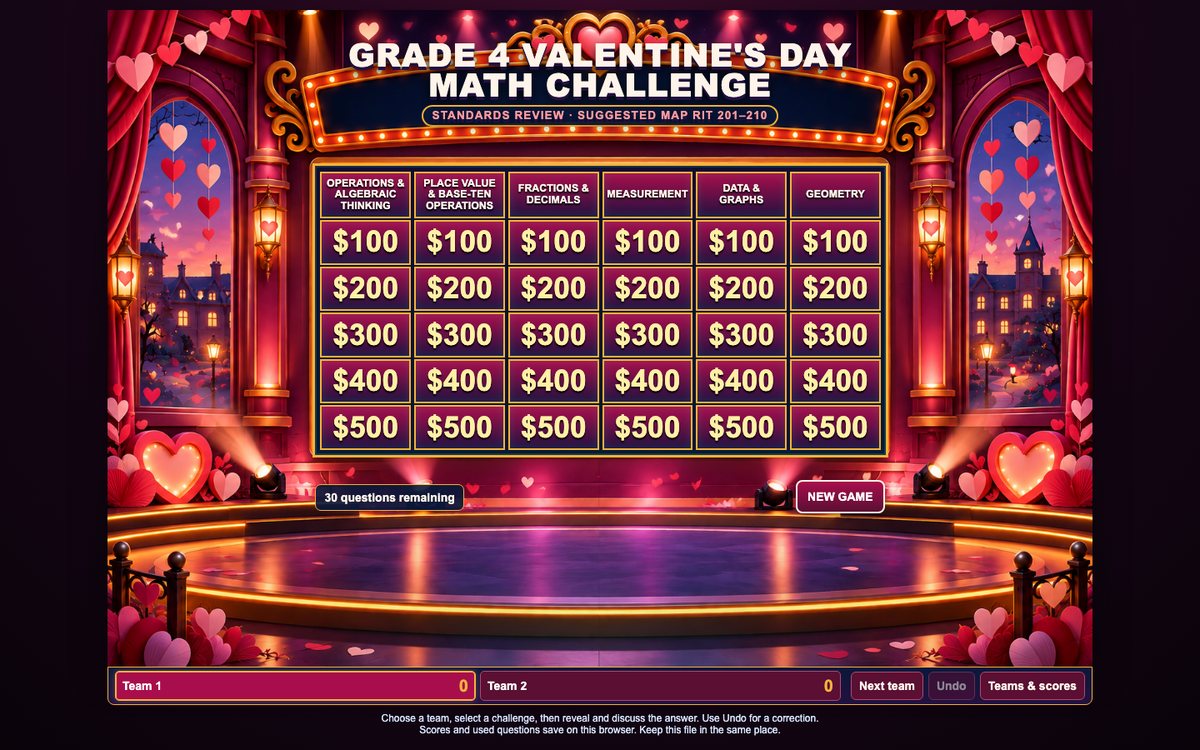
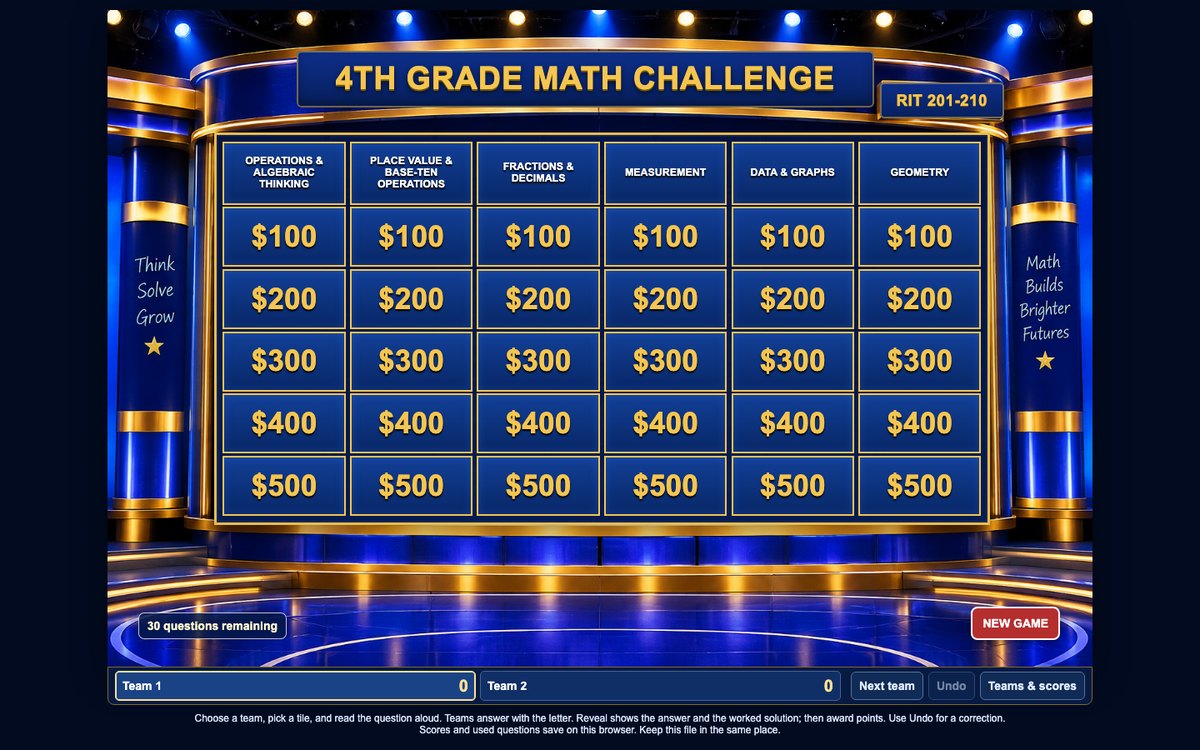
Rehearse as a class. Teams choose a category and a value, solve the problem, and check the worked solution on the live scoreboard. Thirty questions across six categories: vocabulary, procedure, application and reasoning.
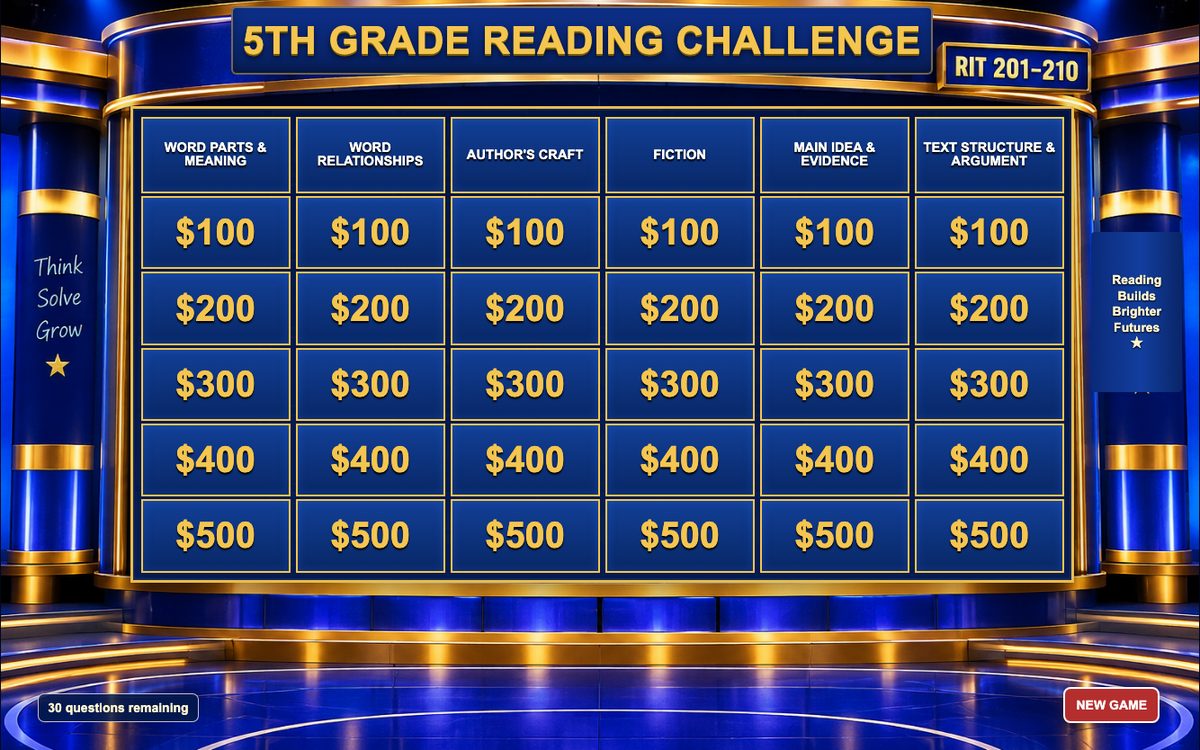
Free samplers of all 36 classroom games: three Reading and three Math games for every grade, 3–8. Play any sampler right here; the complete games are the TPT editions. The Teacher Library collects every sampler with student links after one newsletter signup. Looking for Halloween, winter or Valentine's boards? Holiday & seasonal games (Grades 2–5) have their own section below.

Rehearse as a class. Teams choose a category and a value, solve the problem, and check the worked solution on the live scoreboard. Thirty questions across six categories: vocabulary, procedure, application and reasoning.

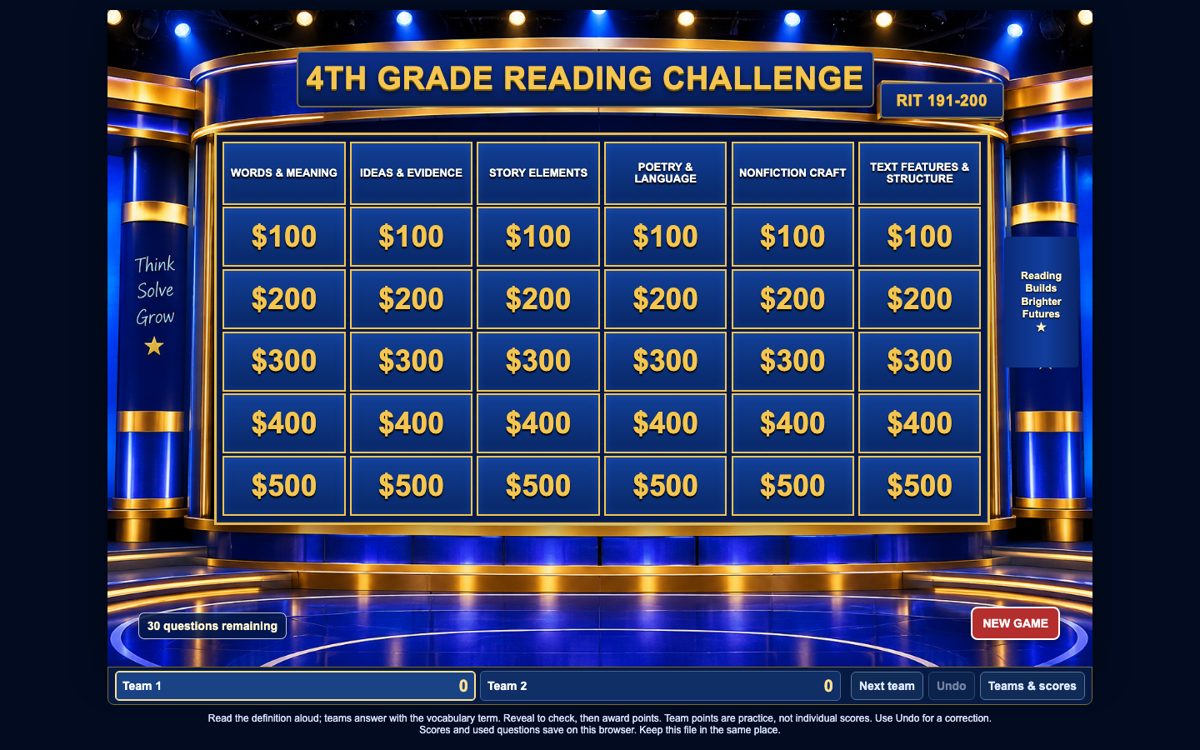
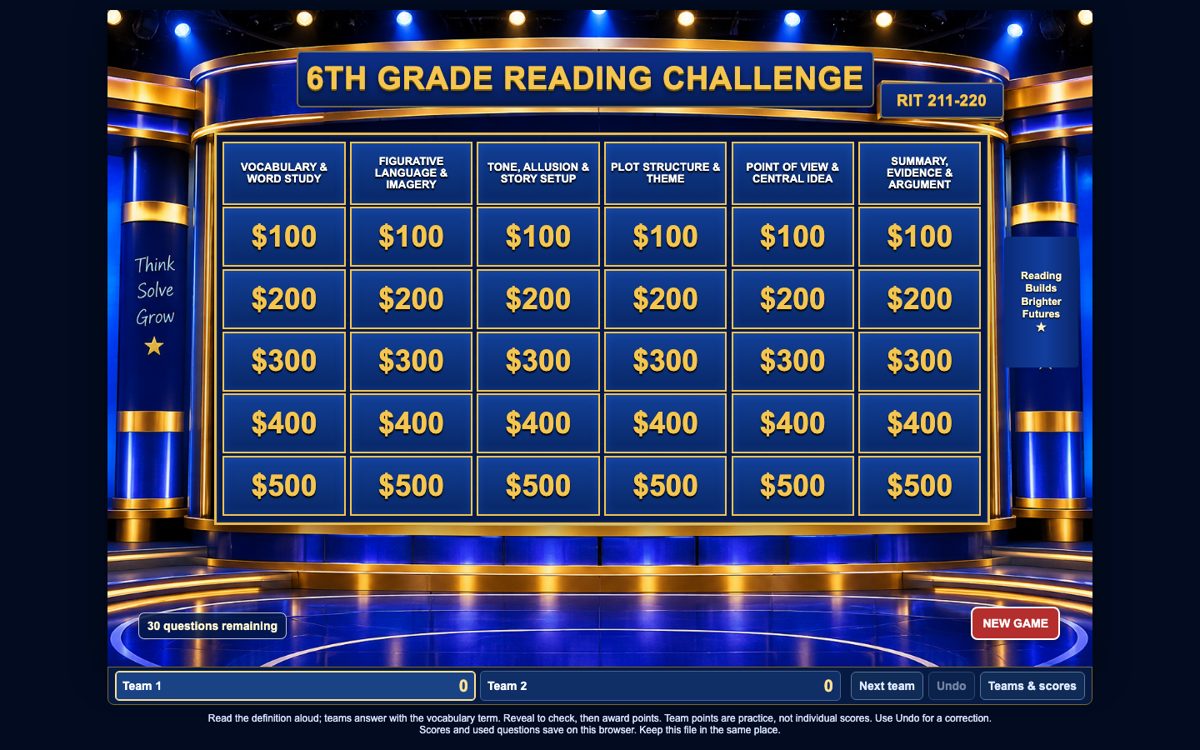
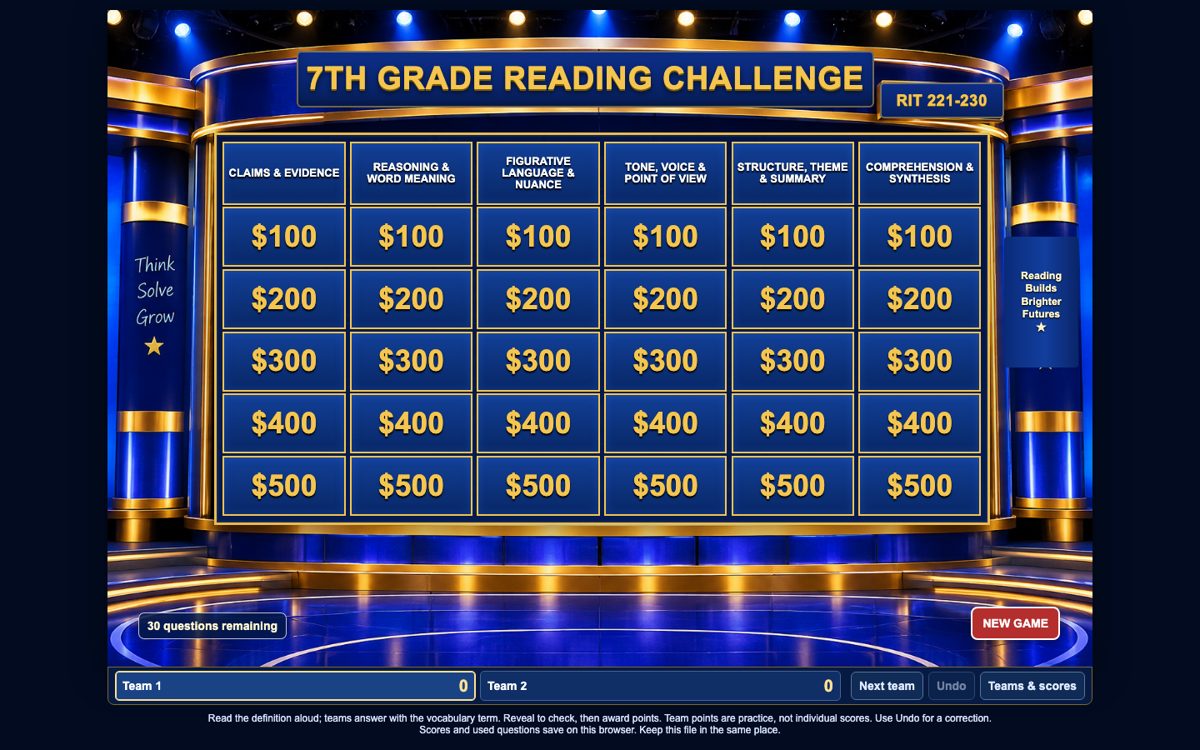
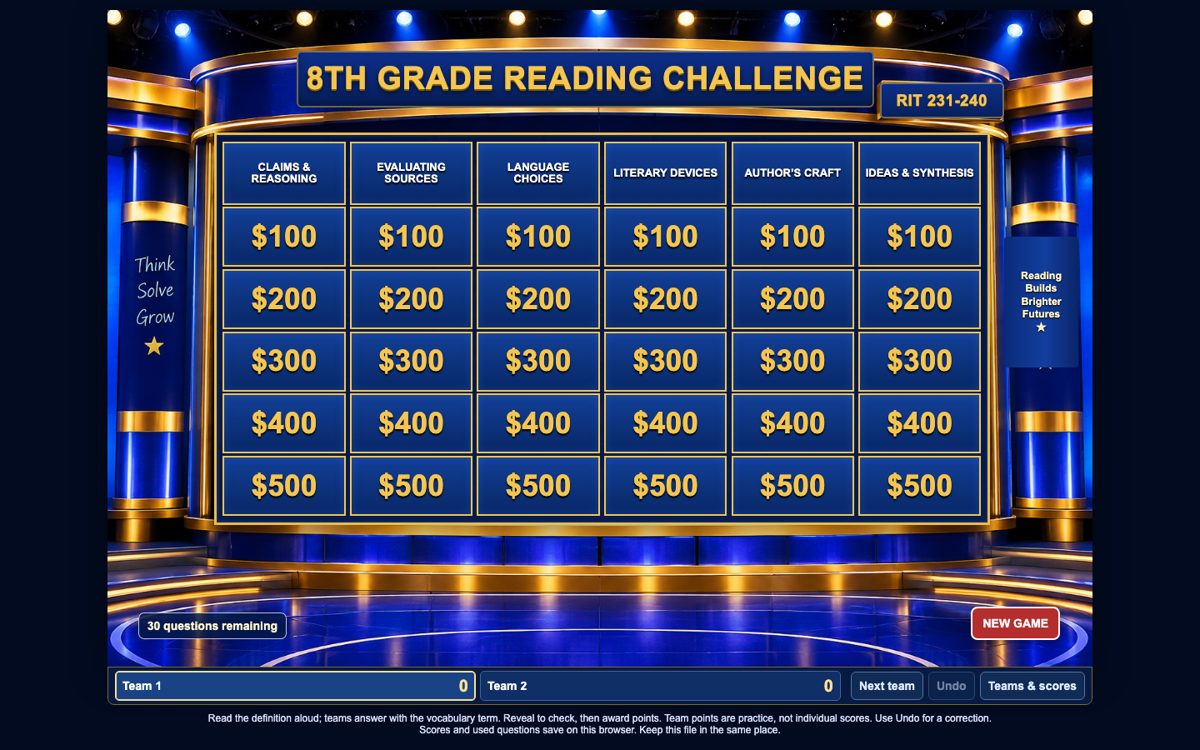
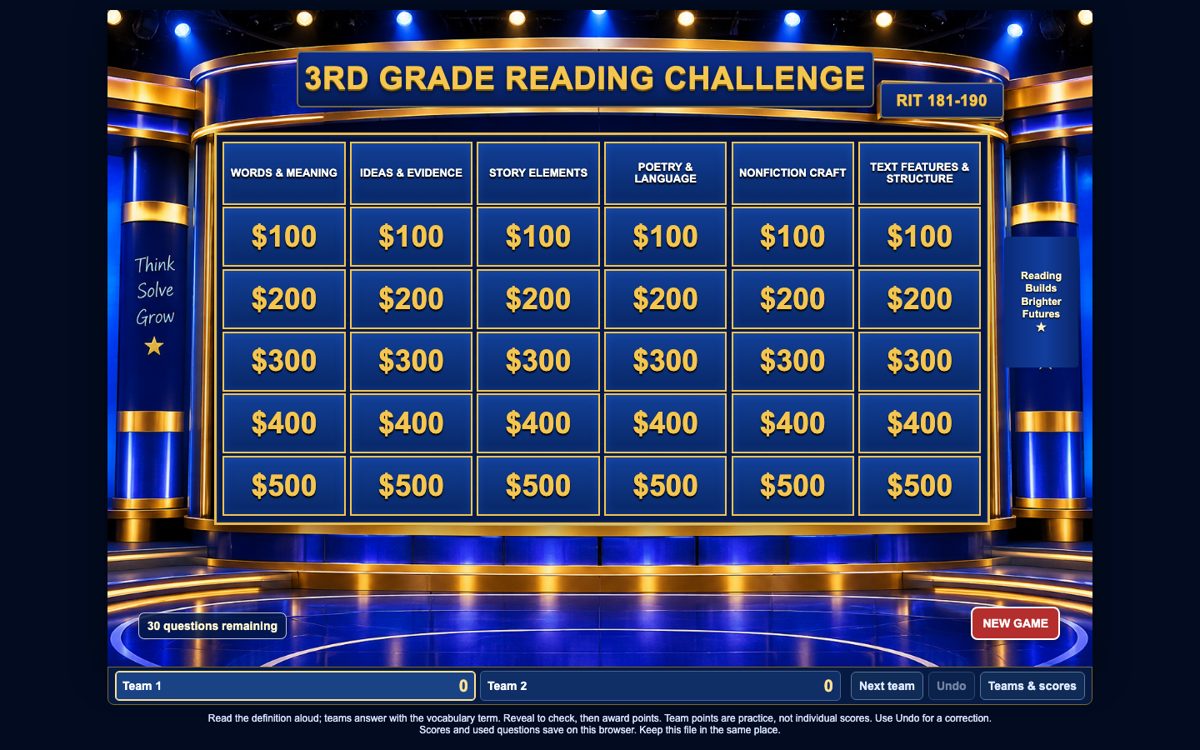
Rehearse as a class. Teams pick a category and a dollar value, hear the definition, and name the term. Reveal the answer and a talk-about-it prompt, then award points on the live scoreboard.

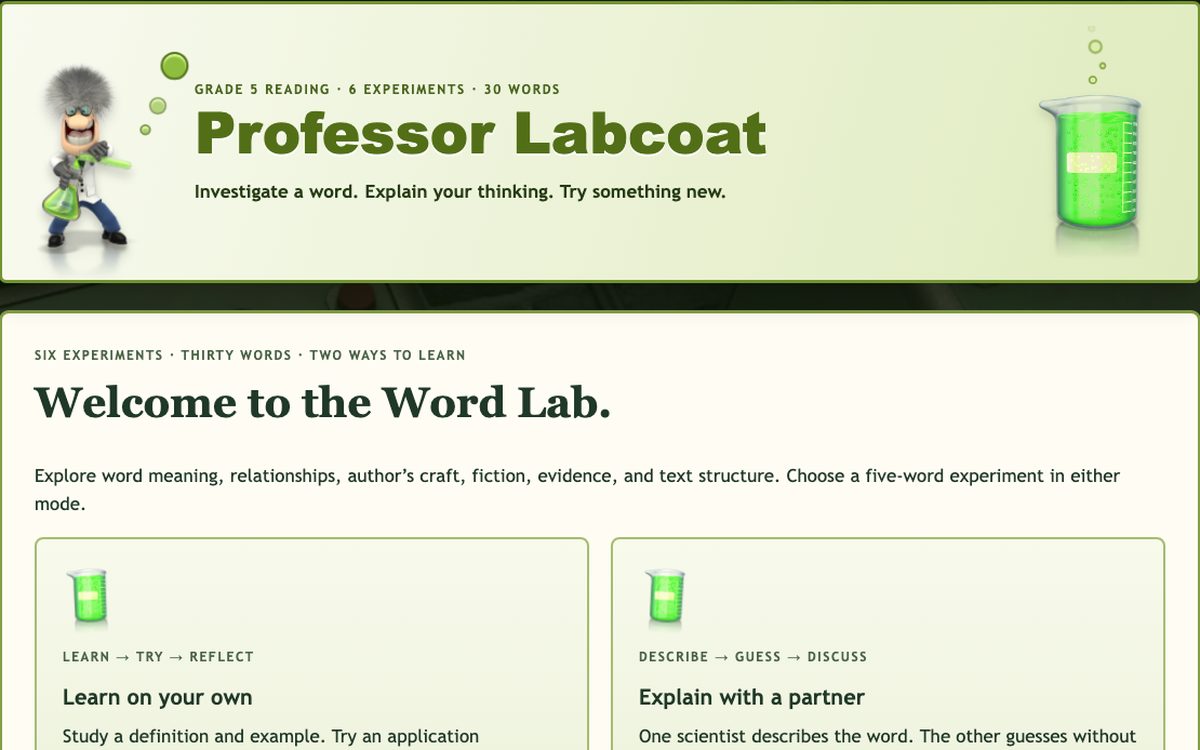
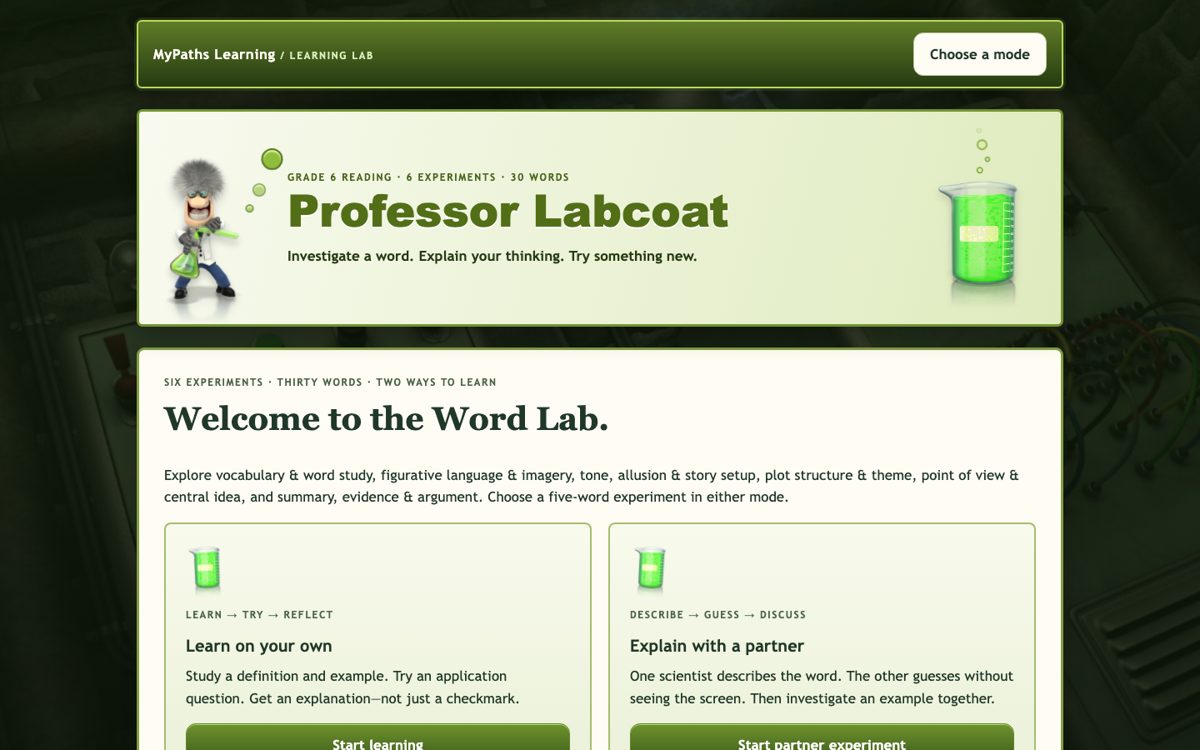
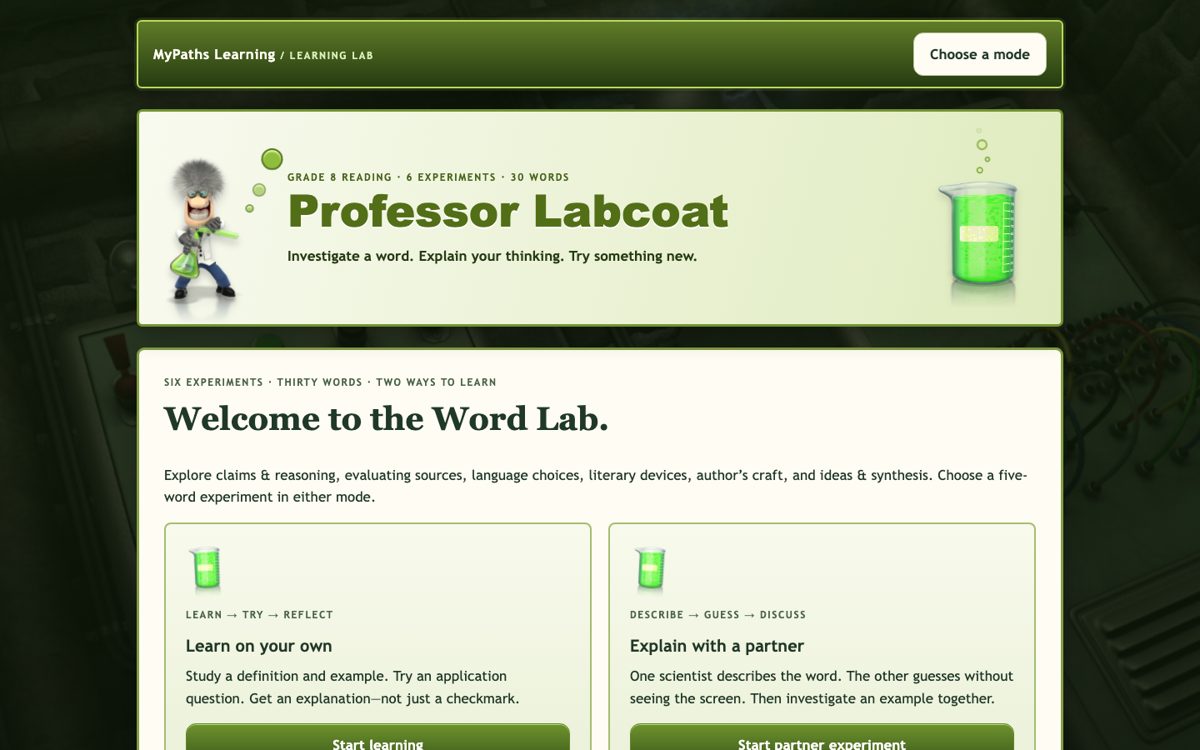
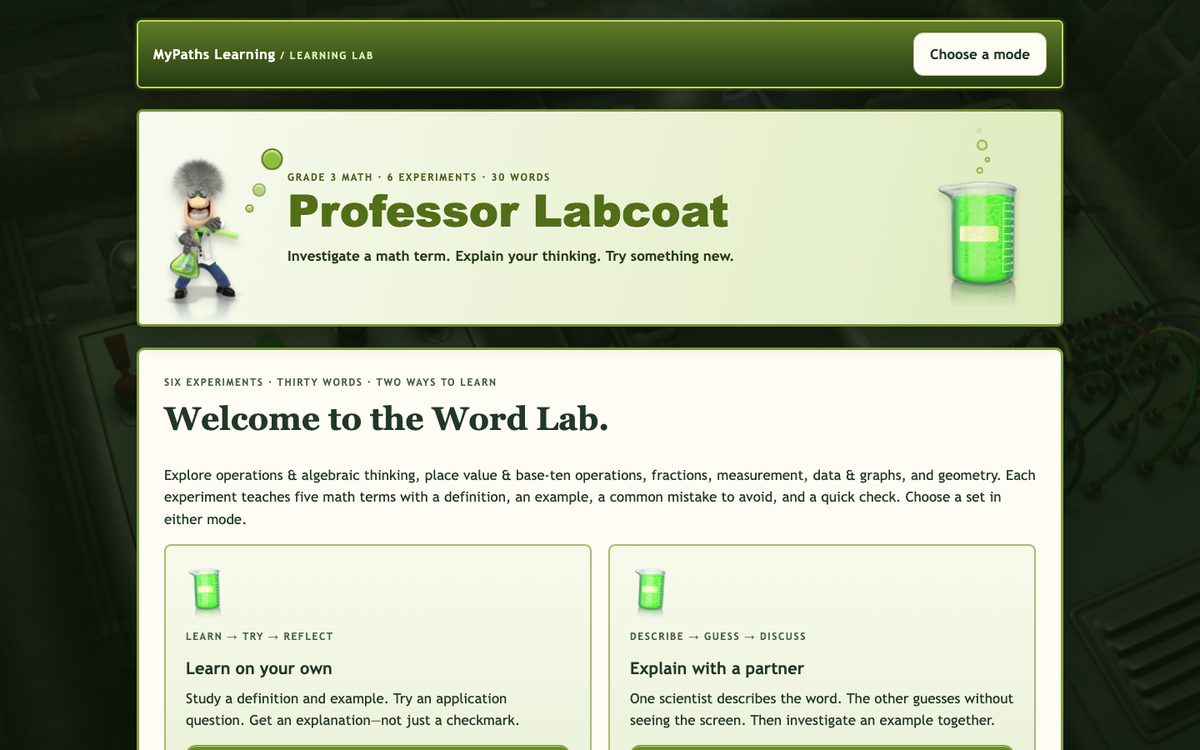
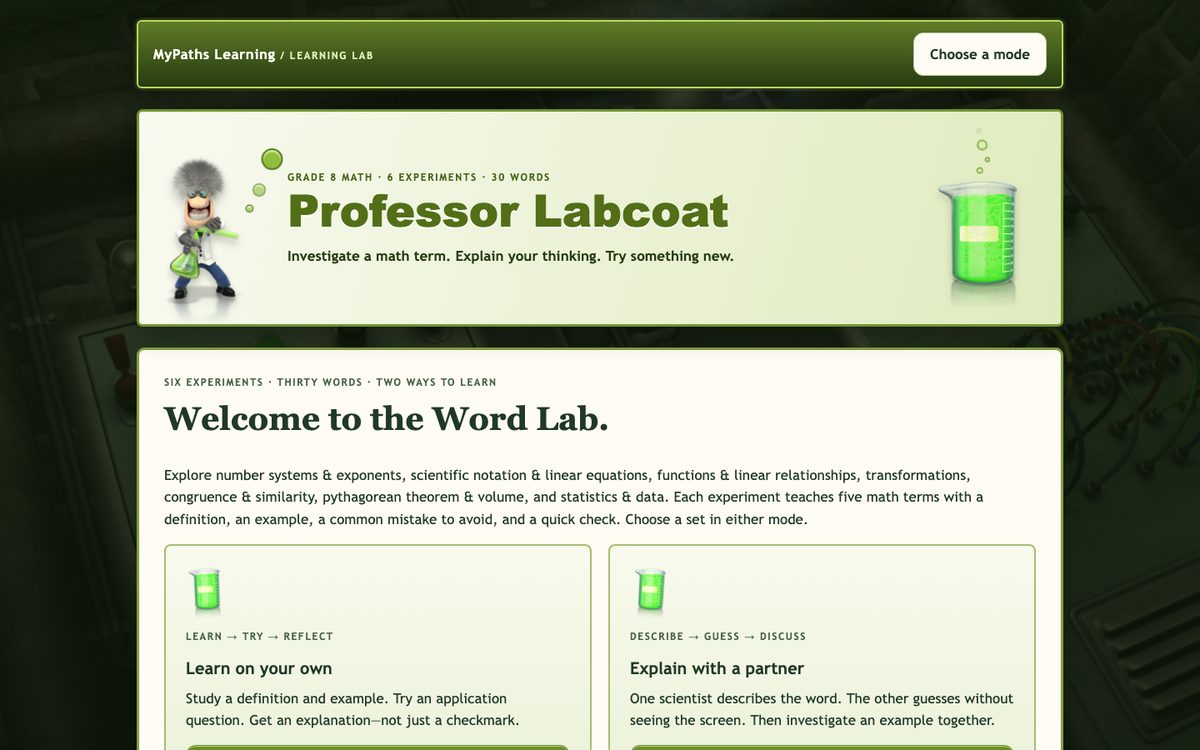
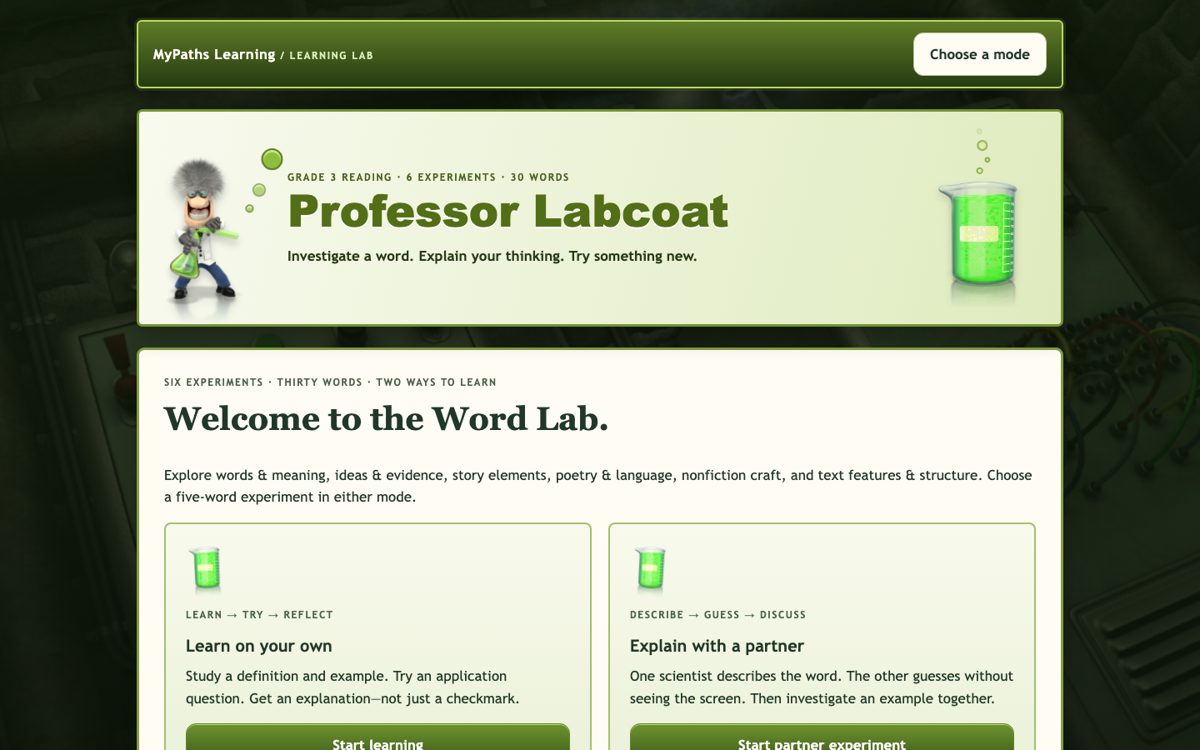
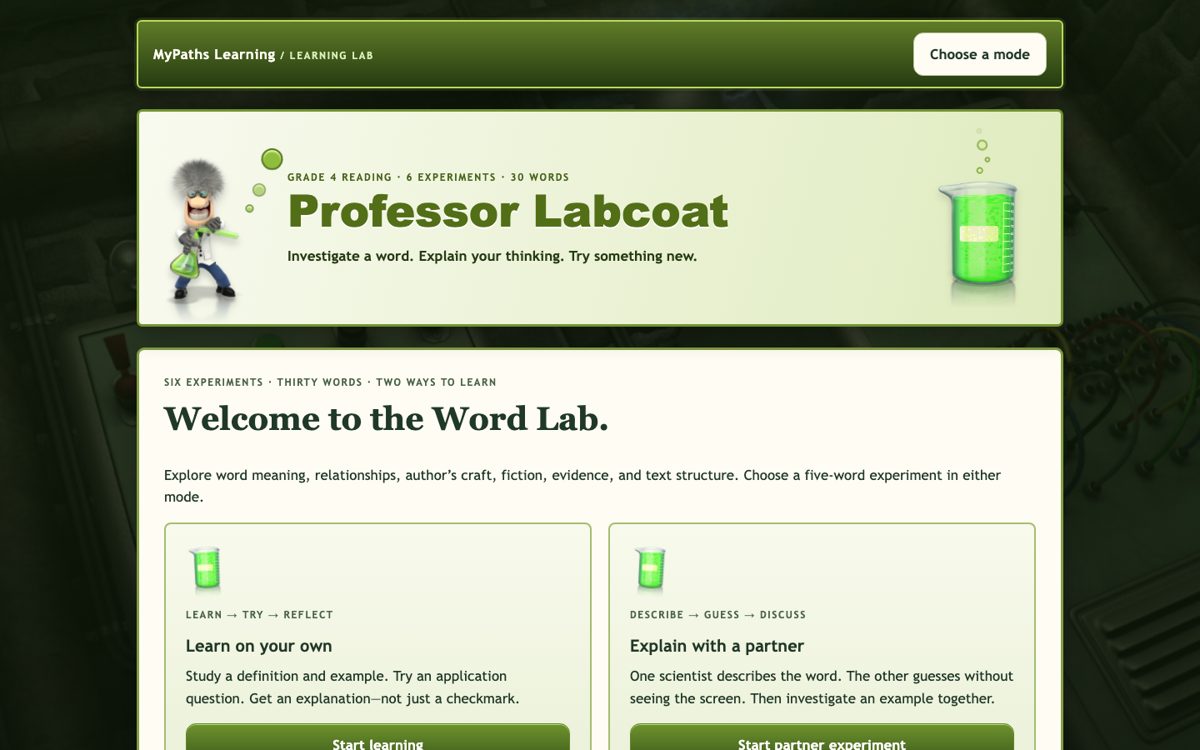
Teach the word first. Students read the definition and example, try a three-choice check with an explanation for every answer, or switch to partner mode: one describes, the other guesses.

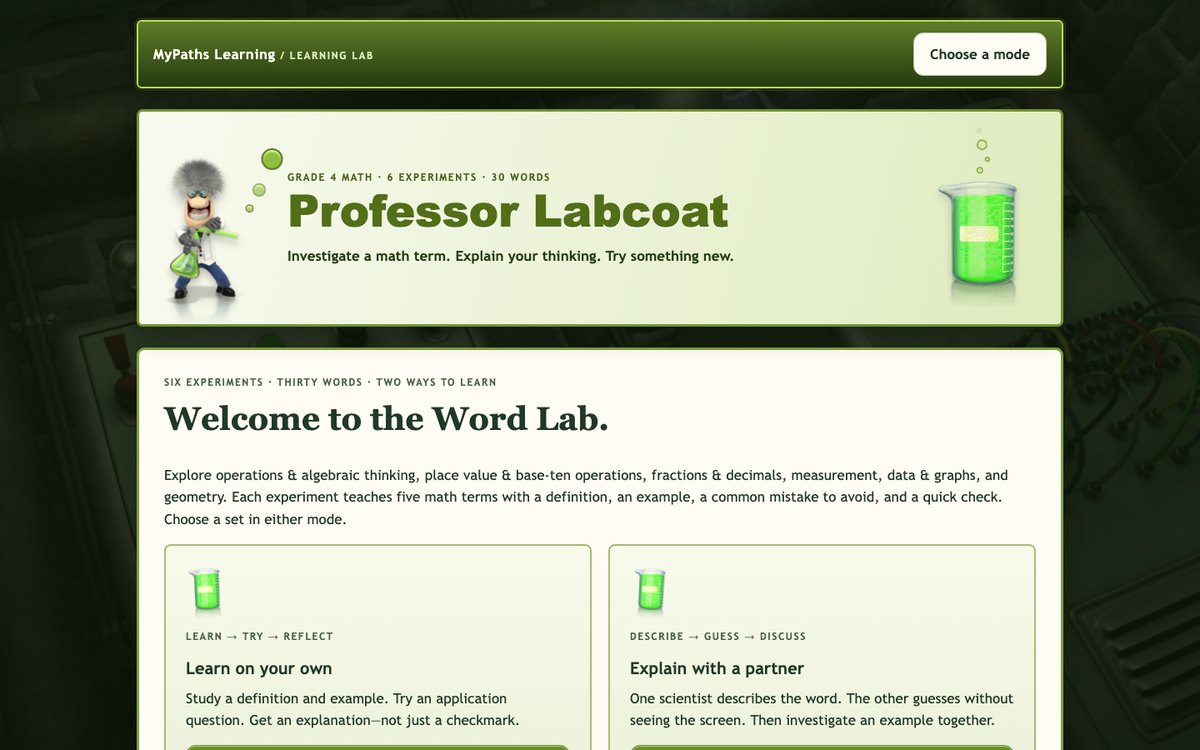
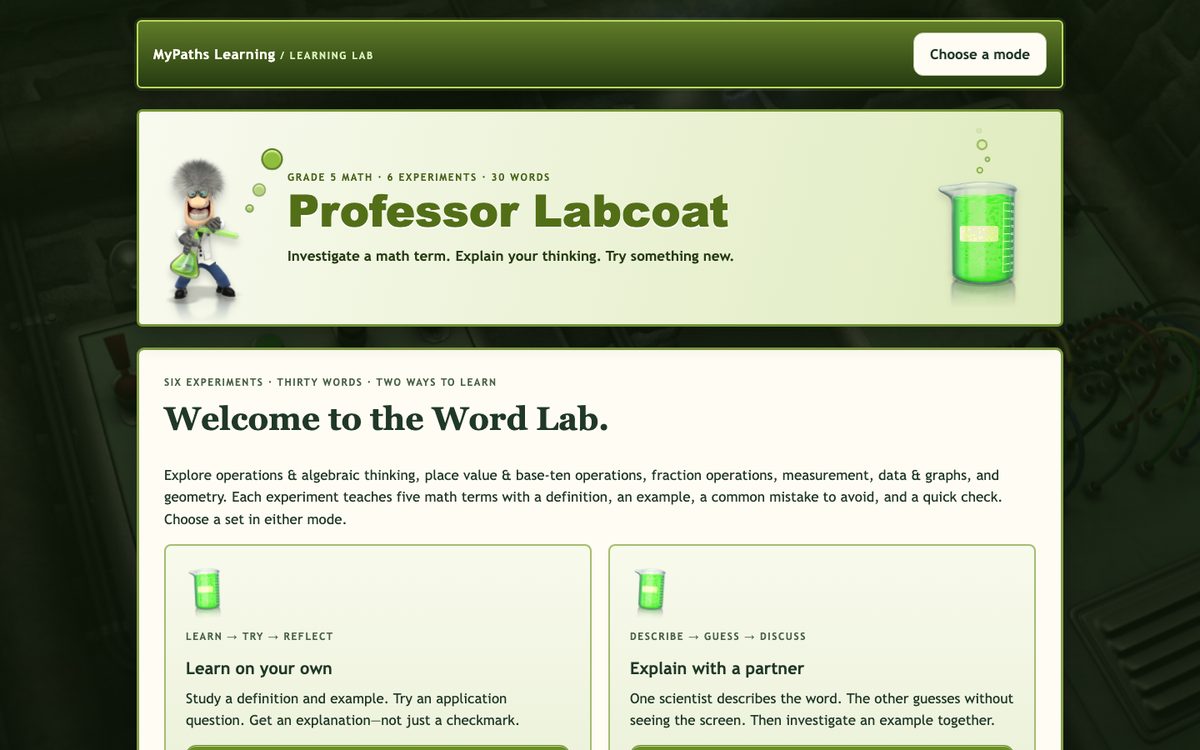
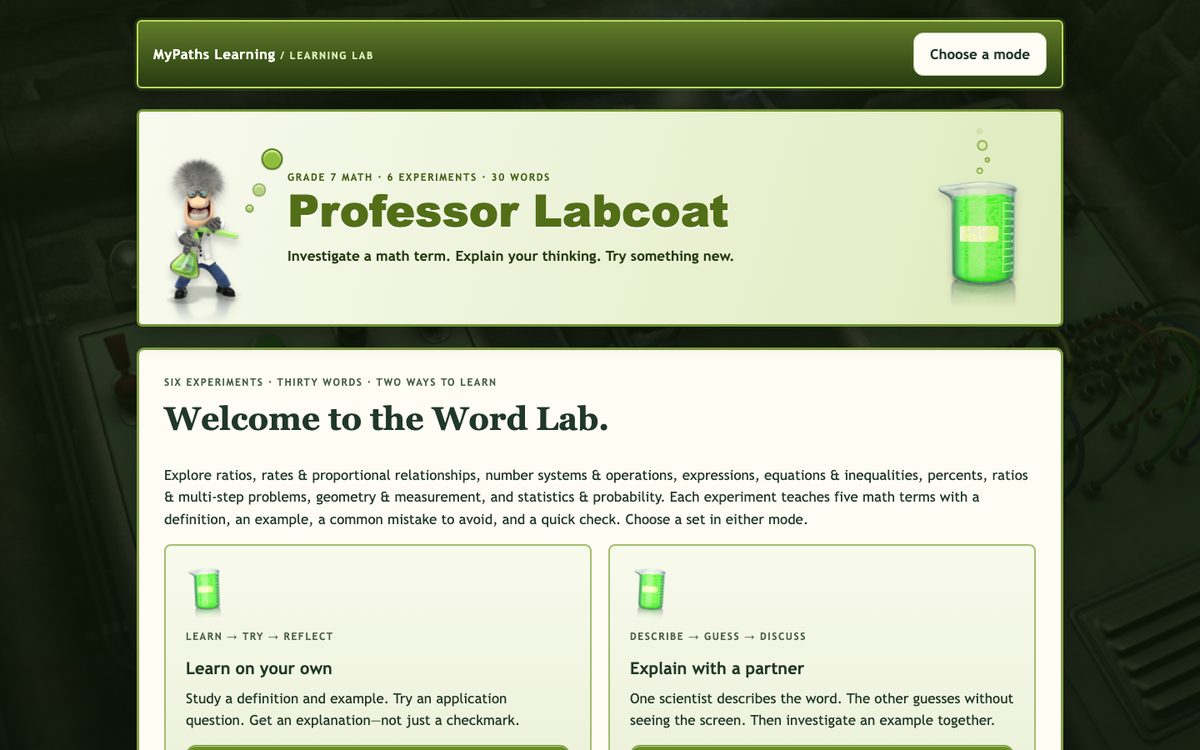
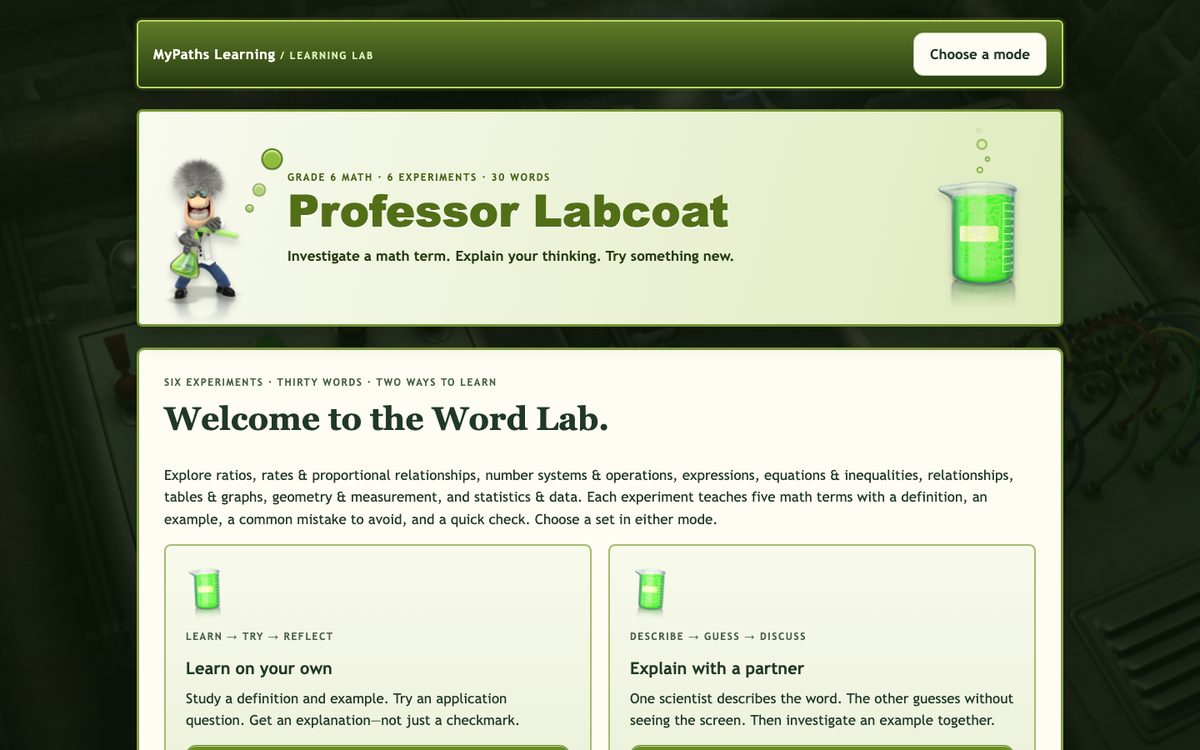
Teach the term first. Students read the definition and an example, study the Watch-out card that names the common mistake, then try a three-choice check with an explanation for every answer. Partner mode: one describes, the other guesses.

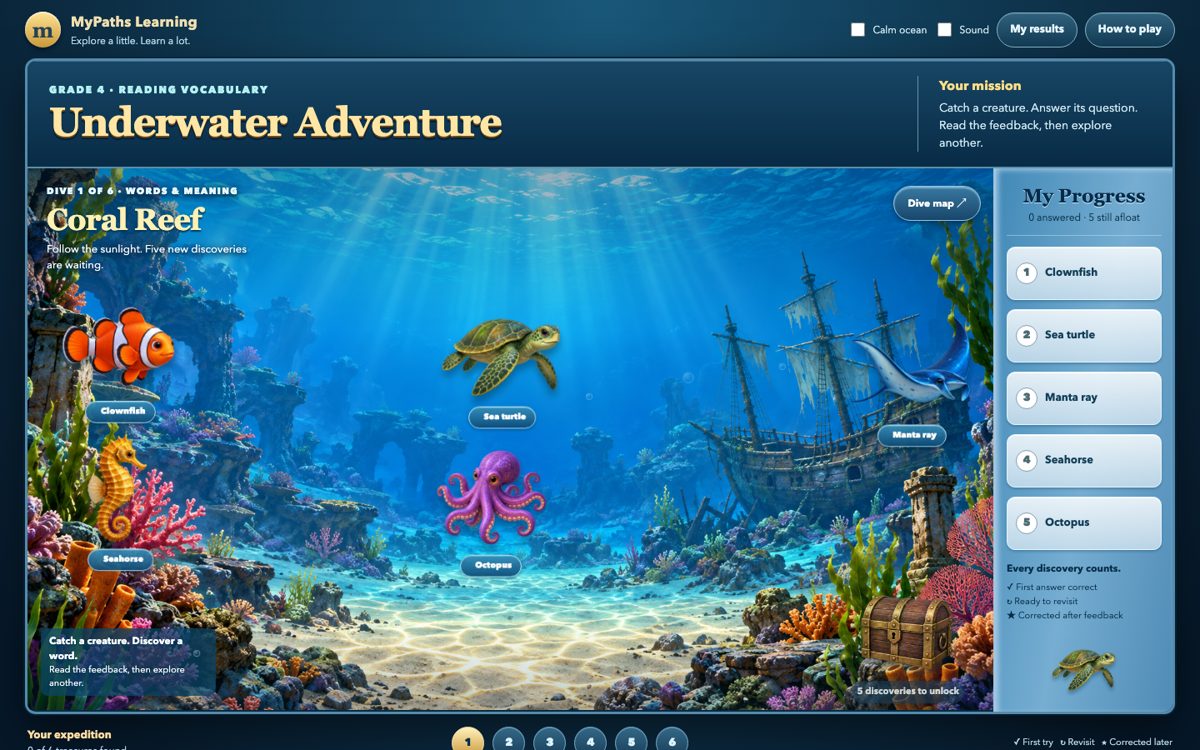
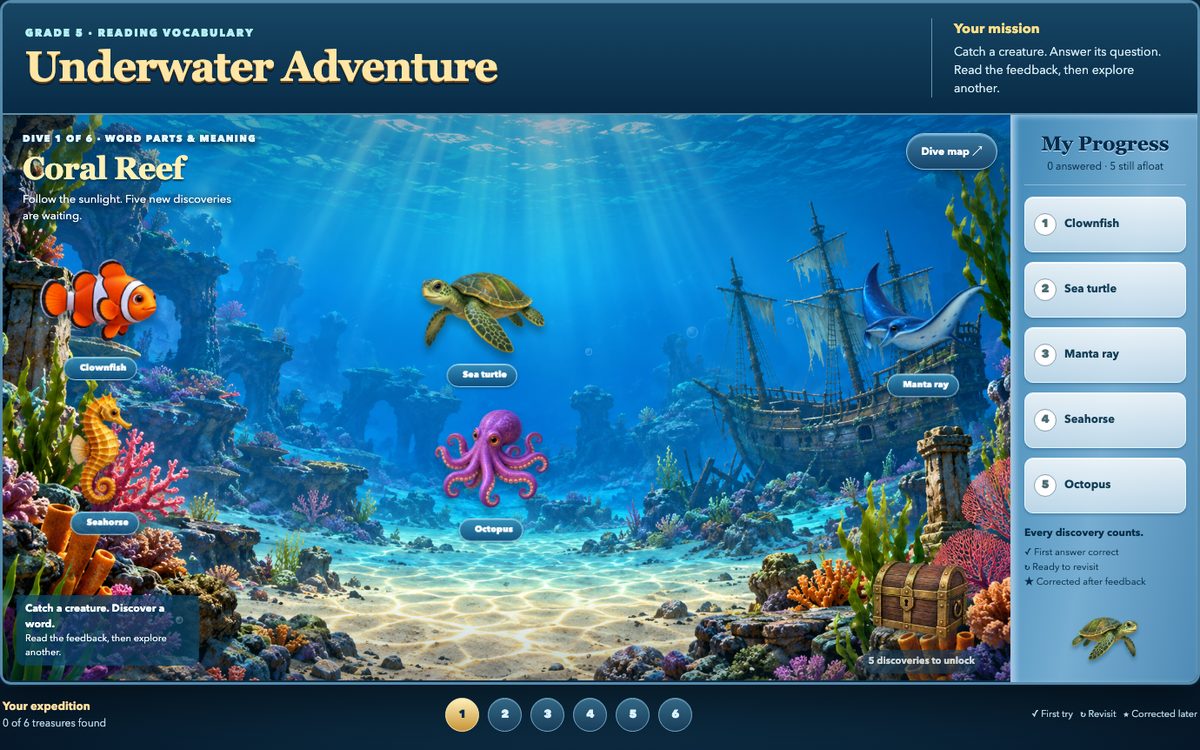
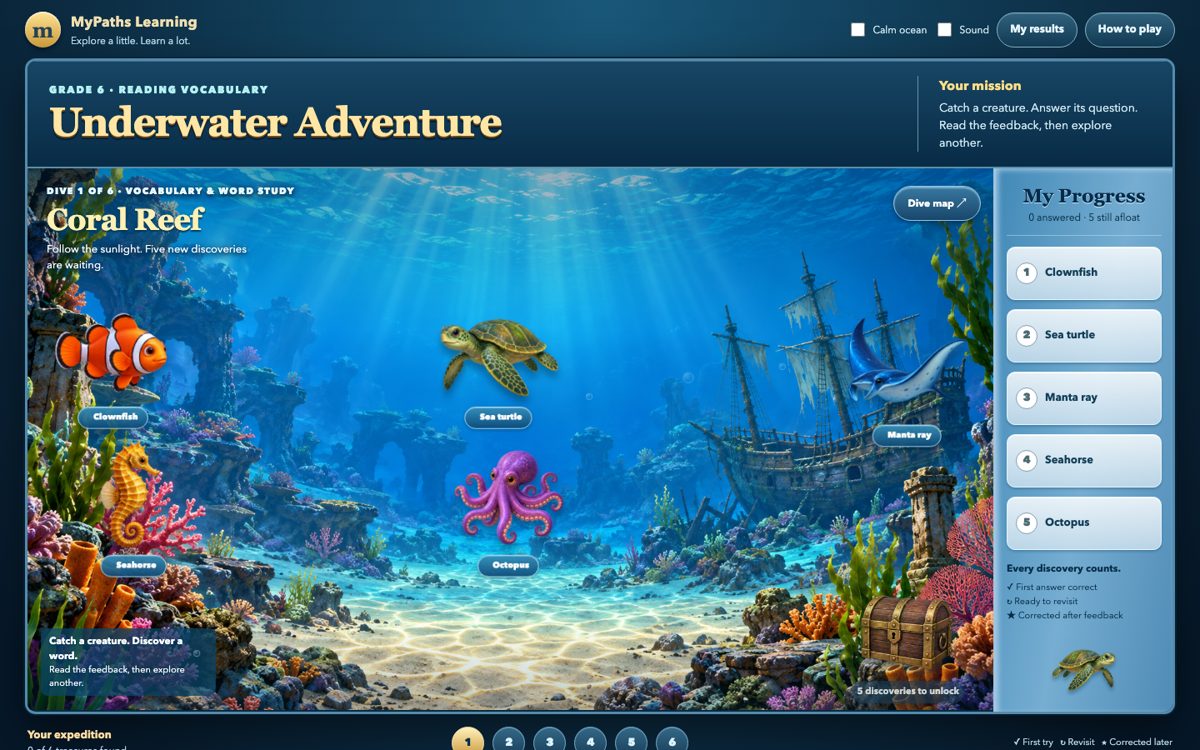
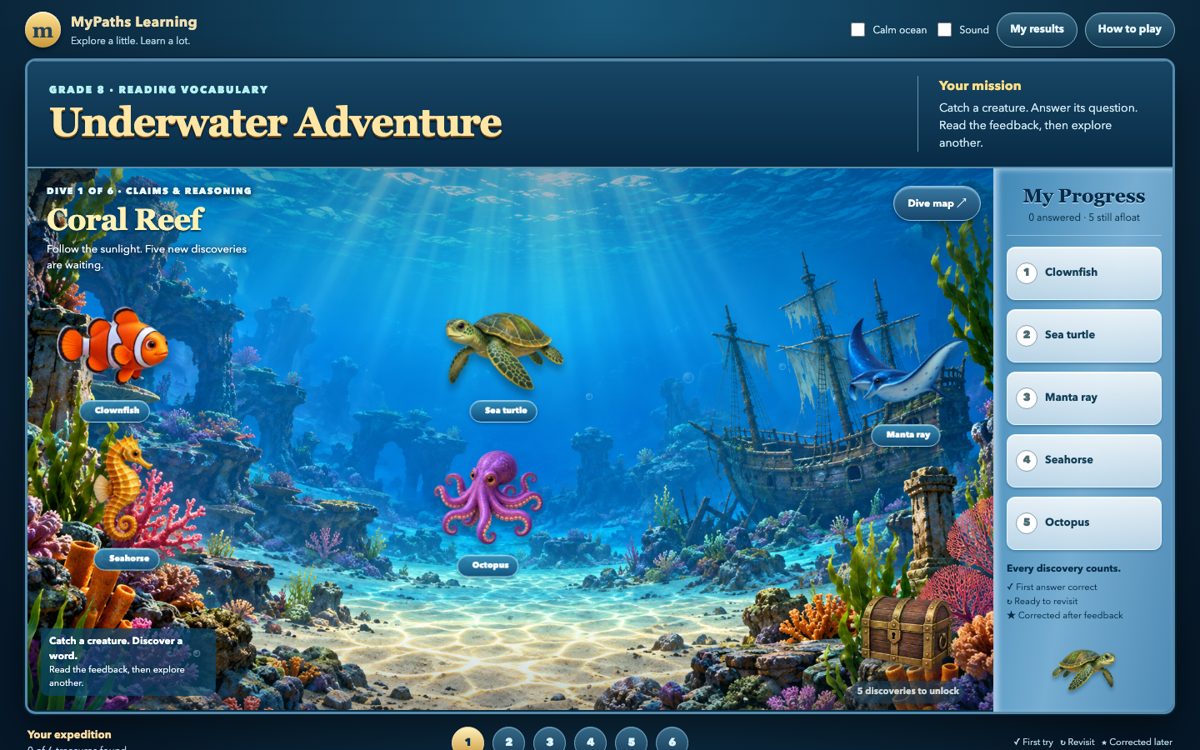
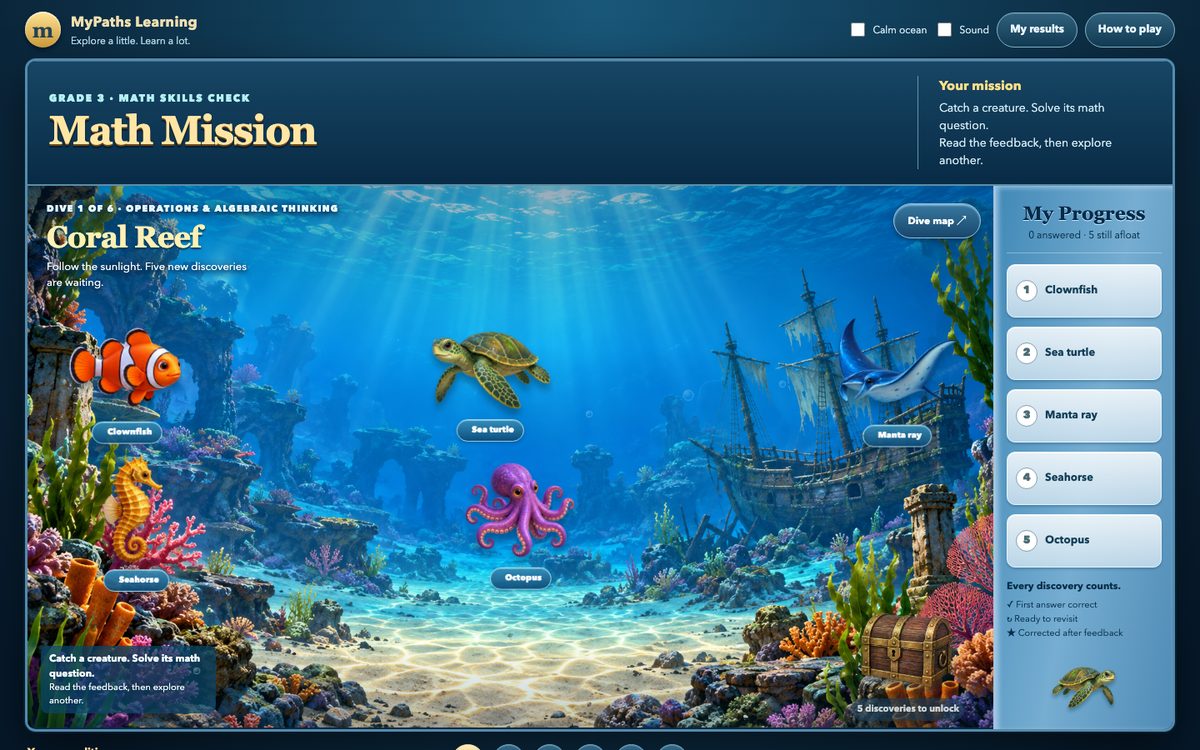
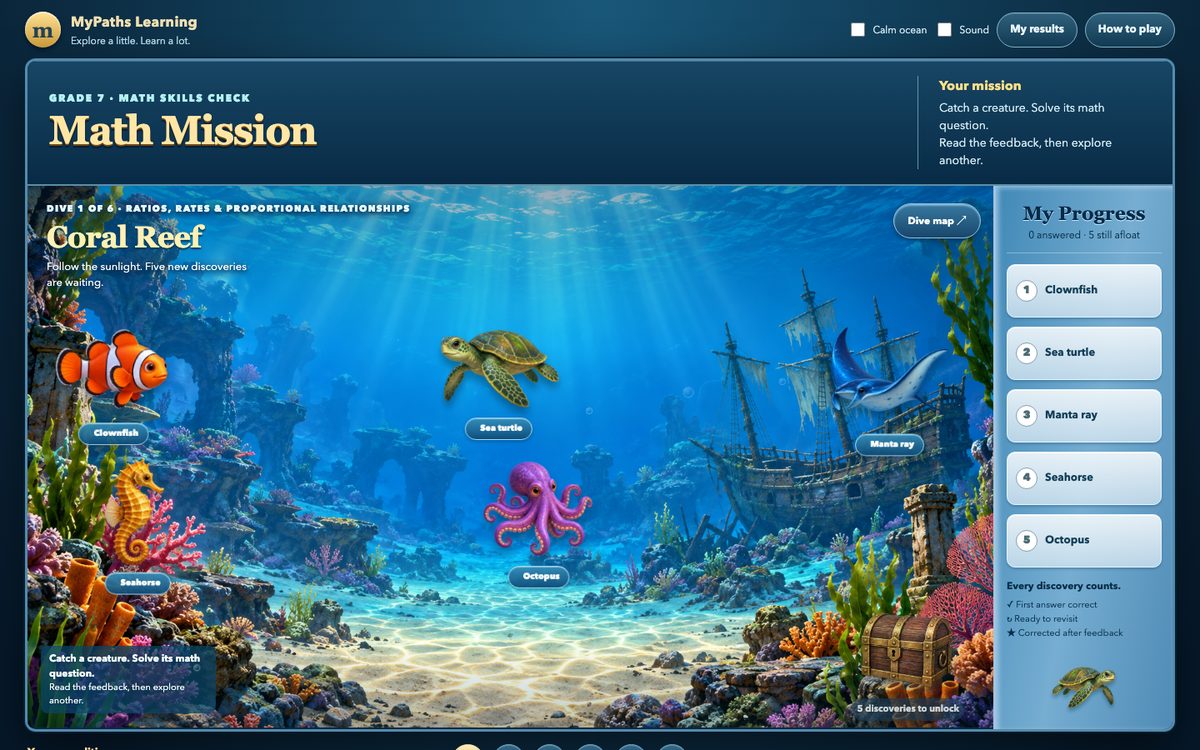
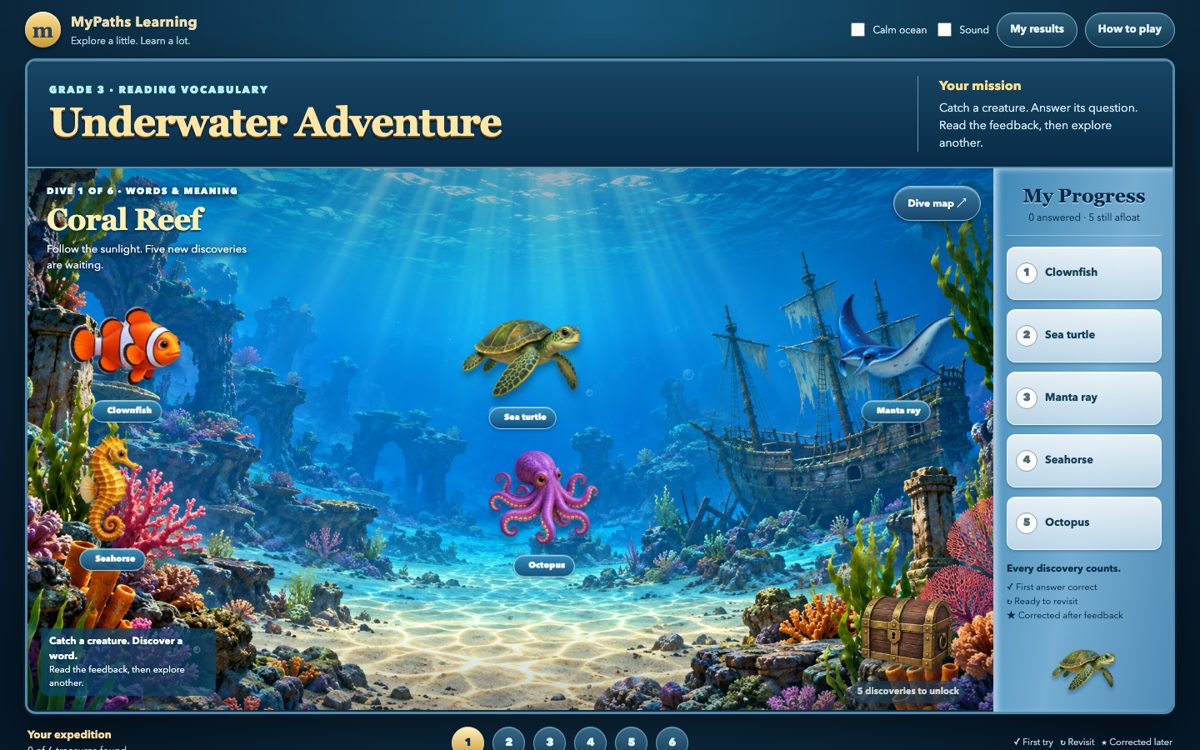
Check what stuck. Students catch a creature, match the definition to the word, and get feedback either way. First answers stay in the log, a treasure chest opens after five tries, and results print for you.

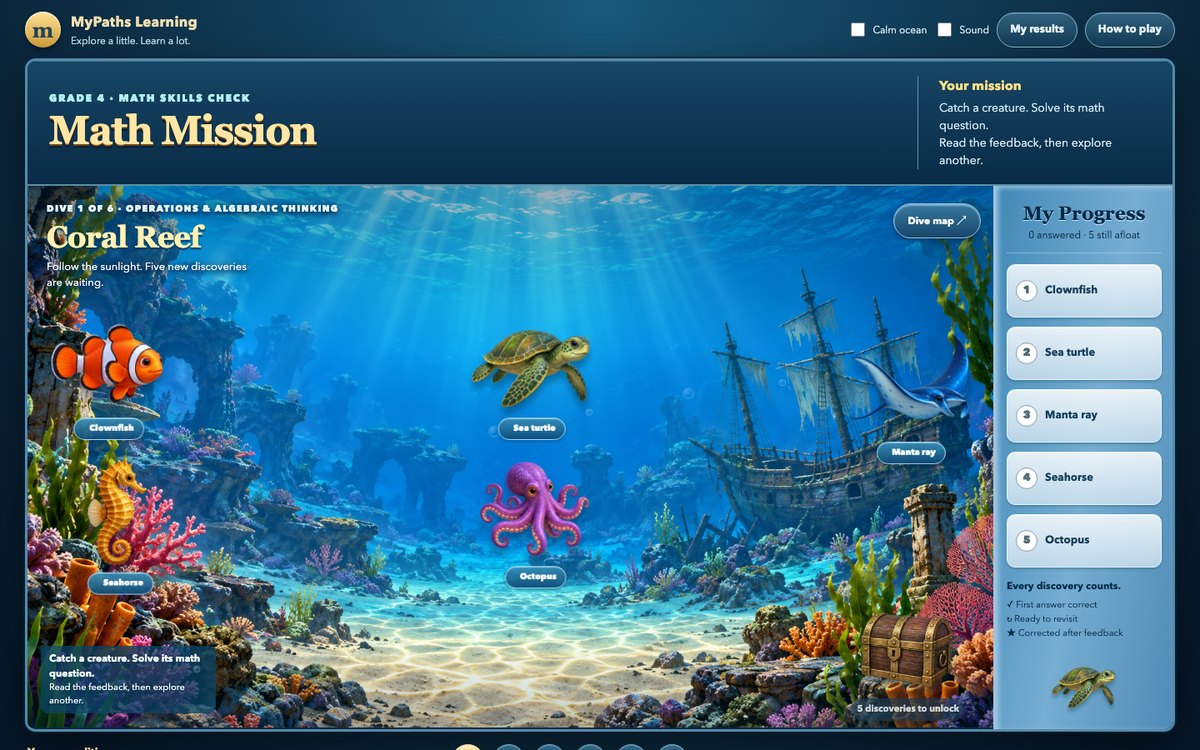
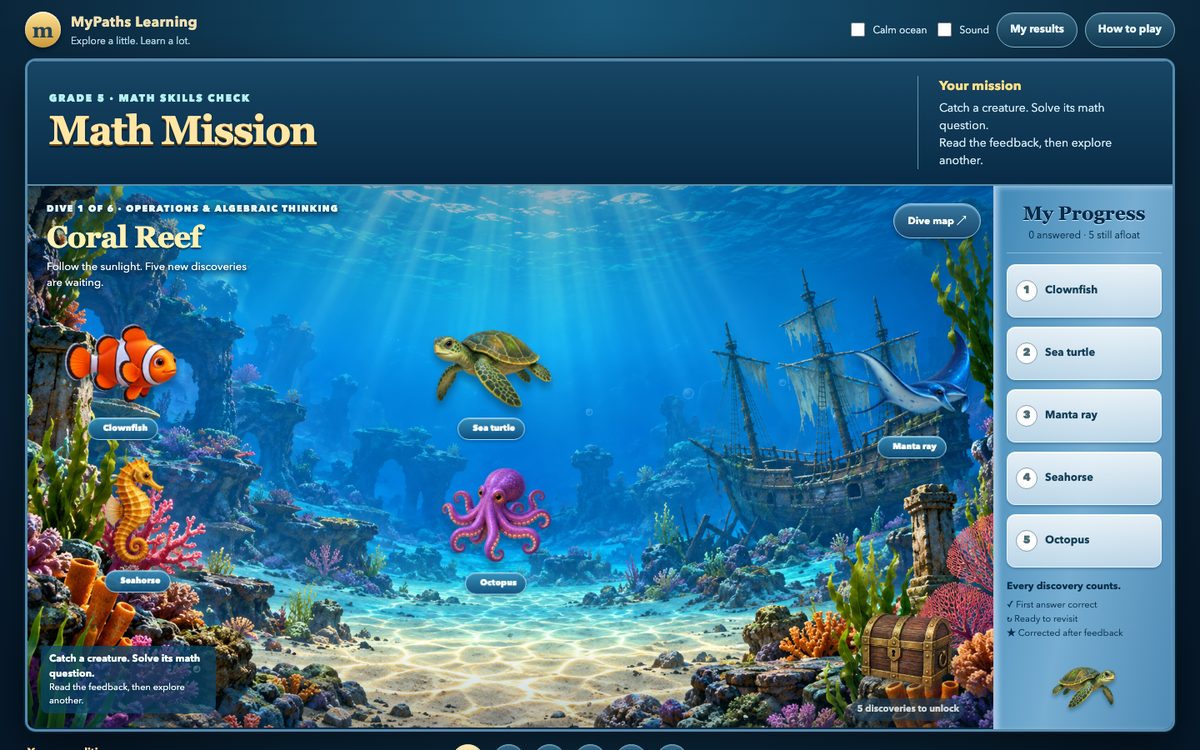
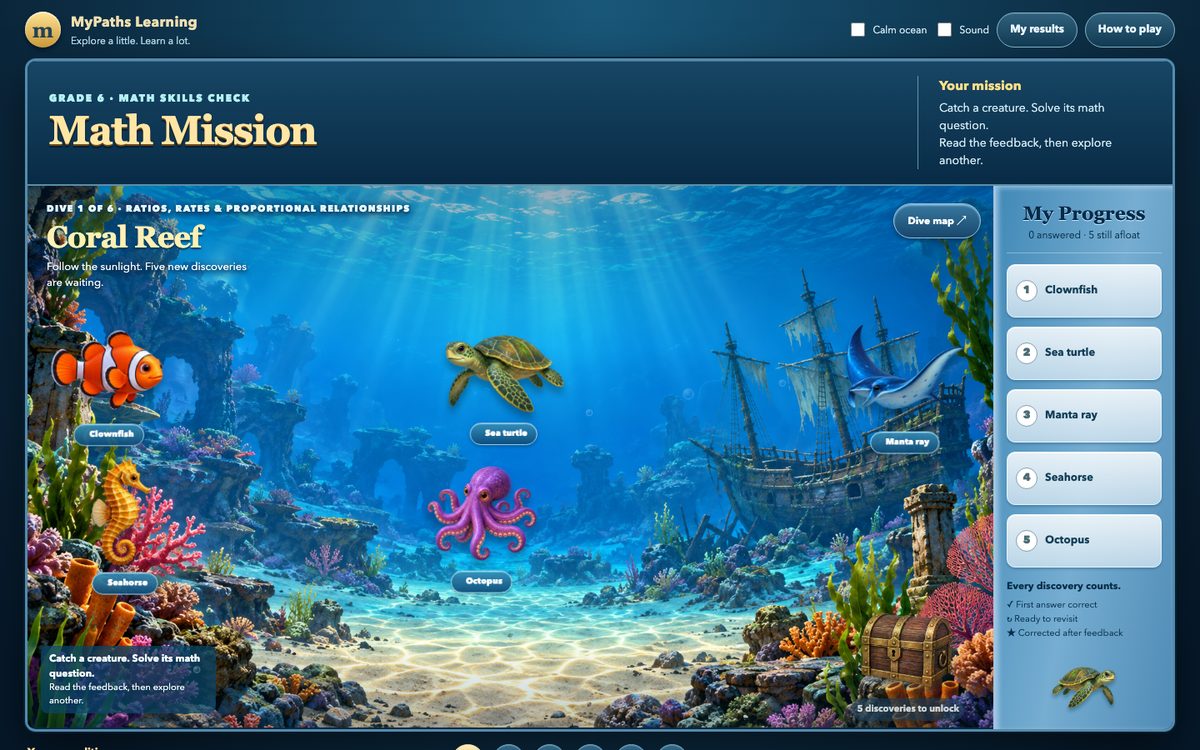
Check what stuck. Students dive through six locations, answer 30 different questions, and get feedback written for the answer they chose, plus the worked solution on a miss. First answers stay in the log and results print for you.
Pick your grade above to see its games.

Teach the word first. Students read the definition and example, try a three-choice check with an explanation for every answer, or switch to partner mode: one describes, the other guesses.

Rehearse as a class. Teams pick a category and a dollar value, hear the definition, and name the term. Reveal the answer and a talk-about-it prompt, then award points on the live scoreboard.

Check what stuck. Students catch a creature, match the definition to the word, and get feedback either way. First answers stay in the log, a treasure chest opens after five tries, and results print for you.

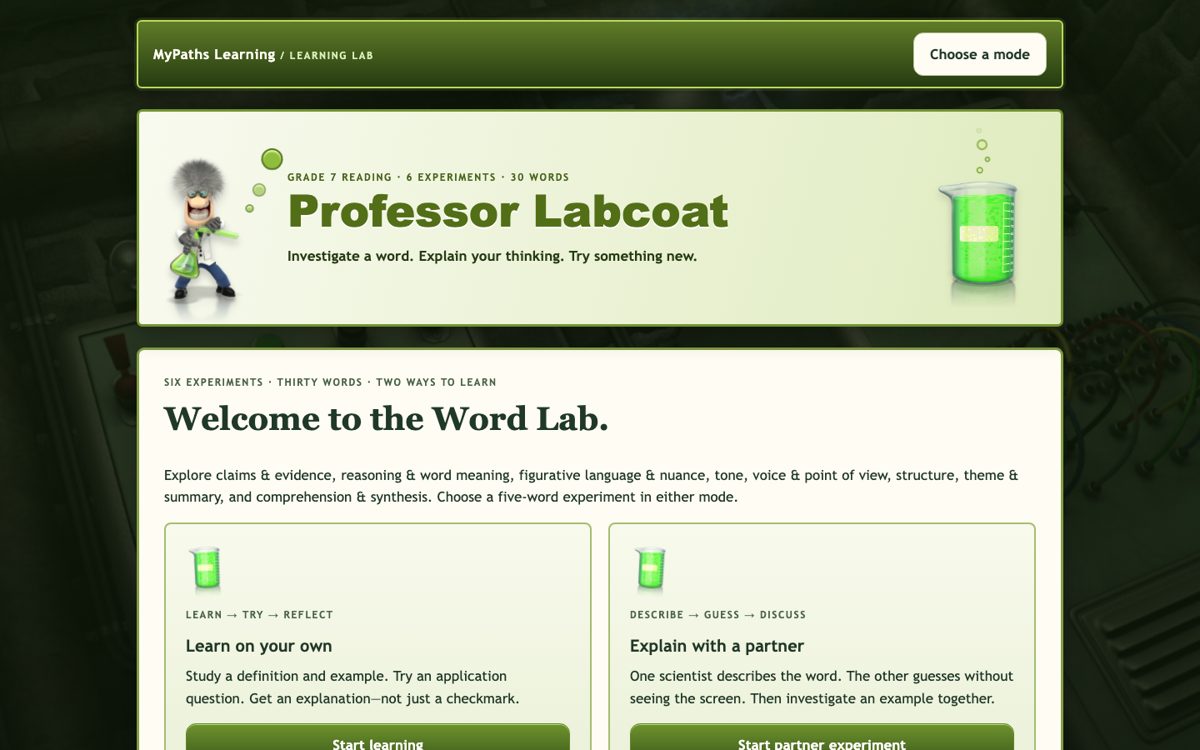
Teach the word first. Students read the definition and example, try a three-choice check with an explanation for every answer, or switch to partner mode: one describes, the other guesses.

Rehearse as a class. Teams pick a category and a dollar value, hear the definition, and name the term. Reveal the answer and a talk-about-it prompt, then award points on the live scoreboard.

Check what stuck. Students catch a creature, match the definition to the word, and get feedback either way. First answers stay in the log, a treasure chest opens after five tries, and results print for you.

Teach the word first. Students read the definition and example, try a three-choice check with an explanation for every answer, or switch to partner mode: one describes, the other guesses.

Rehearse as a class. Teams pick a category and a dollar value, hear the definition, and name the term. Reveal the answer and a talk-about-it prompt, then award points on the live scoreboard.

Check what stuck. Students catch a creature, match the definition to the word, and get feedback either way. First answers stay in the log, a treasure chest opens after five tries, and results print for you.

Teach the word first. Students read the definition and example, try a three-choice check with an explanation for every answer, or switch to partner mode: one describes, the other guesses.

Rehearse as a class. Teams pick a category and a dollar value, hear the definition, and name the term. Reveal the answer and a talk-about-it prompt, then award points on the live scoreboard.

Check what stuck. Students catch a creature, match the definition to the word, and get feedback either way. First answers stay in the log, a treasure chest opens after five tries, and results print for you.

Teach the word first. Students read the definition and example, try a three-choice check with an explanation for every answer, or switch to partner mode: one describes, the other guesses.

Rehearse as a class. Teams pick a category and a dollar value, hear the definition, and name the term. Reveal the answer and a talk-about-it prompt, then award points on the live scoreboard.

Check what stuck. Students catch a creature, match the definition to the word, and get feedback either way. First answers stay in the log, a treasure chest opens after five tries, and results print for you.

Teach the word first. Students read the definition and example, try a three-choice check with an explanation for every answer, or switch to partner mode: one describes, the other guesses.

Rehearse as a class. Teams pick a category and a dollar value, hear the definition, and name the term. Reveal the answer and a talk-about-it prompt, then award points on the live scoreboard.

Check what stuck. Students catch a creature, match the definition to the word, and get feedback either way. First answers stay in the log, a treasure chest opens after five tries, and results print for you.

Teach the term first. Students read the definition and an example, study the Watch-out card that names the common mistake, then try a three-choice check with an explanation for every answer. Partner mode: one describes, the other guesses.

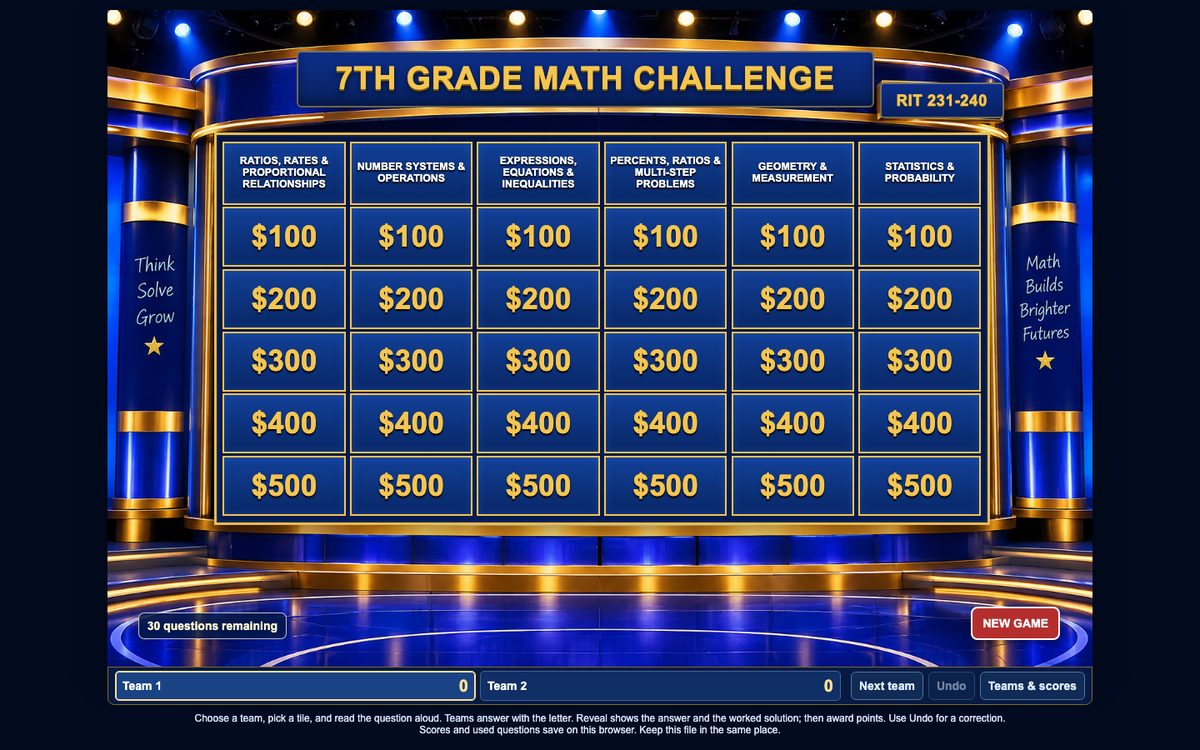
Rehearse as a class. Teams choose a category and a value, solve the problem, and check the worked solution on the live scoreboard. Thirty questions across six categories: vocabulary, procedure, application and reasoning.
Check what stuck. Students dive through six locations, answer 30 different questions, and get feedback written for the answer they chose, plus the worked solution on a miss. First answers stay in the log and results print for you.

Teach the term first. Students read the definition and an example, study the Watch-out card that names the common mistake, then try a three-choice check with an explanation for every answer. Partner mode: one describes, the other guesses.

Rehearse as a class. Teams choose a category and a value, solve the problem, and check the worked solution on the live scoreboard. Thirty questions across six categories: vocabulary, procedure, application and reasoning.
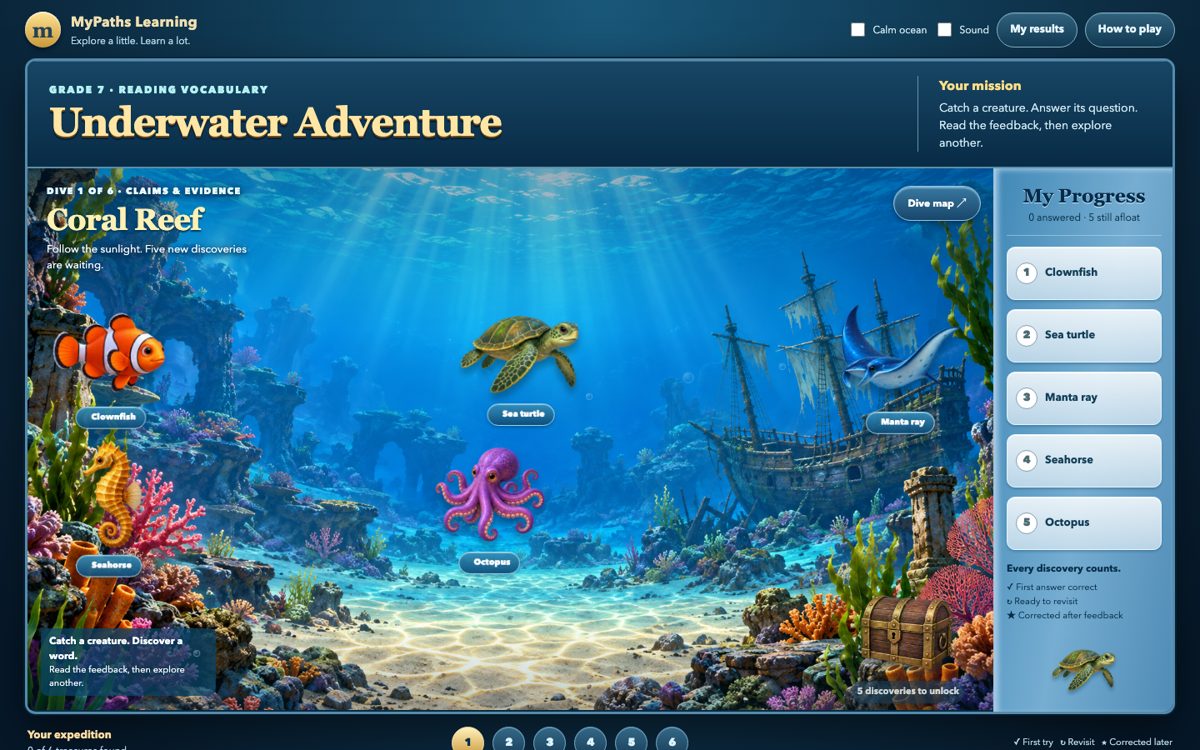
Check what stuck. Students dive through six locations, answer 30 different questions, and get feedback written for the answer they chose, plus the worked solution on a miss. First answers stay in the log and results print for you.

Teach the term first. Students read the definition and an example, study the Watch-out card that names the common mistake, then try a three-choice check with an explanation for every answer. Partner mode: one describes, the other guesses.

Rehearse as a class. Teams choose a category and a value, solve the problem, and check the worked solution on the live scoreboard. Thirty questions across six categories: vocabulary, procedure, application and reasoning.
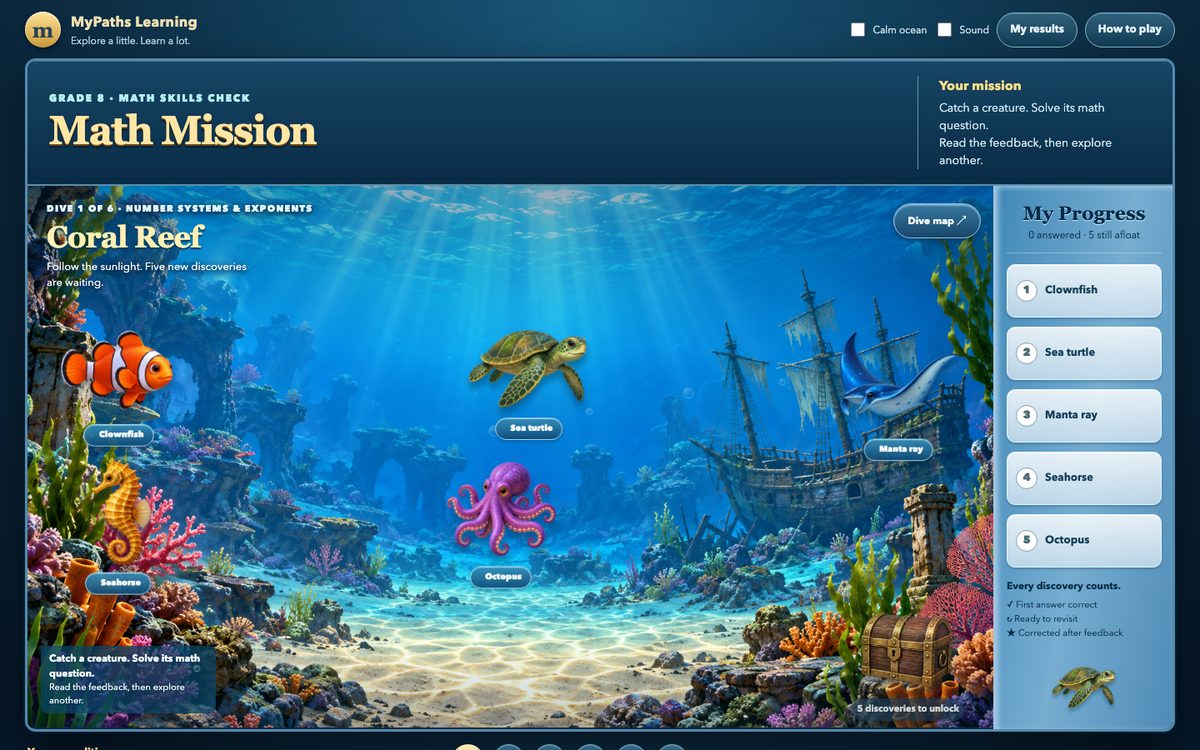
Check what stuck. Students dive through six locations, answer 30 different questions, and get feedback written for the answer they chose, plus the worked solution on a miss. First answers stay in the log and results print for you.

Teach the term first. Students read the definition and an example, study the Watch-out card that names the common mistake, then try a three-choice check with an explanation for every answer. Partner mode: one describes, the other guesses.

Rehearse as a class. Teams choose a category and a value, solve the problem, and check the worked solution on the live scoreboard. Thirty questions across six categories: vocabulary, procedure, application and reasoning.
Check what stuck. Students dive through six locations, answer 30 different questions, and get feedback written for the answer they chose, plus the worked solution on a miss. First answers stay in the log and results print for you.

Teach the term first. Students read the definition and an example, study the Watch-out card that names the common mistake, then try a three-choice check with an explanation for every answer. Partner mode: one describes, the other guesses.

Rehearse as a class. Teams choose a category and a value, solve the problem, and check the worked solution on the live scoreboard. Thirty questions across six categories: vocabulary, procedure, application and reasoning.
Check what stuck. Students dive through six locations, answer 30 different questions, and get feedback written for the answer they chose, plus the worked solution on a miss. First answers stay in the log and results print for you.

Teach the term first. Students read the definition and an example, study the Watch-out card that names the common mistake, then try a three-choice check with an explanation for every answer. Partner mode: one describes, the other guesses.

Rehearse as a class. Teams choose a category and a value, solve the problem, and check the worked solution on the live scoreboard. Thirty questions across six categories: vocabulary, procedure, application and reasoning.
Check what stuck. Students dive through six locations, answer 30 different questions, and get feedback written for the answer they chose, plus the worked solution on a miss. First answers stay in the log and results print for you.
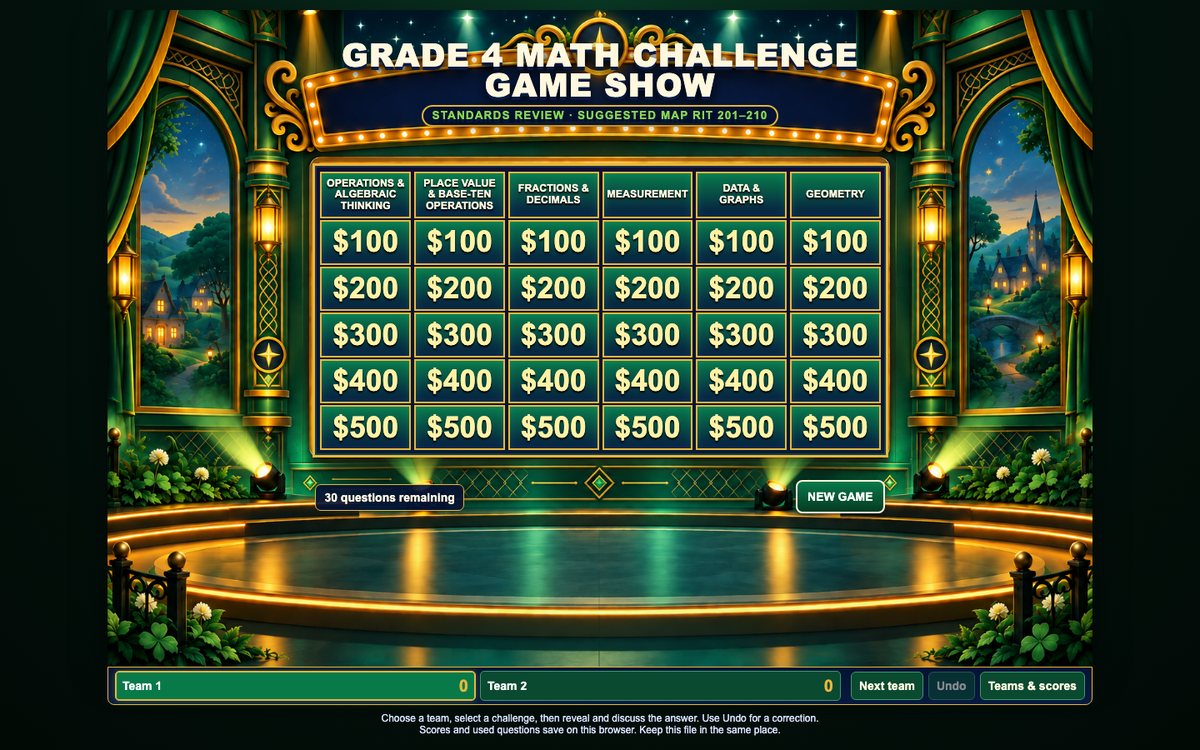
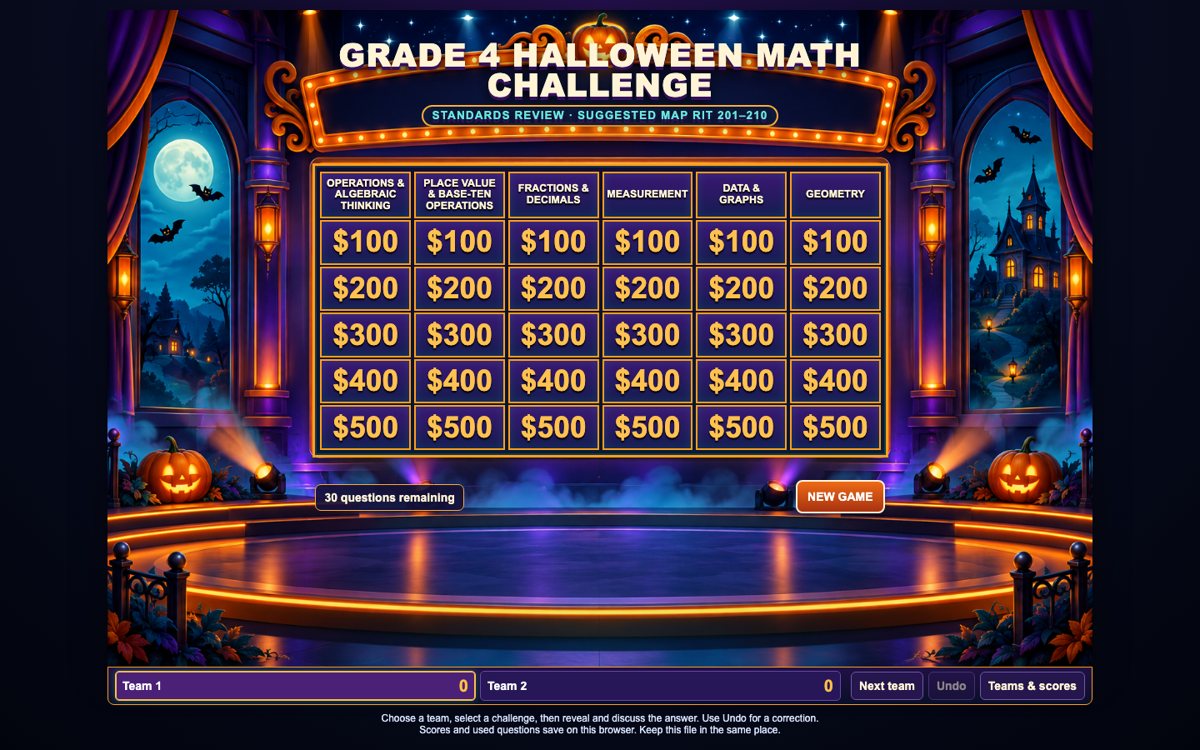
One whole-class Math Challenge board per grade for Halloween, the winter holidays and Valentine's Day, plus a year-round edition, each with its own 30 standards-aligned questions (480 in all, none repeated). Try a free 10-question sampler of every board in the Teacher Library (one newsletter signup). The complete 30-question games, with the downloadable offline file, Start Here guide, Teacher Key with worked solutions and Kahoot + Blooket imports, are the TPT editions.